• Sedulous Collective CIC<br> 17A Electric Lane<br> Brixton<br> London<br> SW9 8LA
  • welcome@sedulous.org.uk

Southwark Annual Public Health Report 2025

Client Name

Southwark Council

Project Type

Creative Storytelling

Year

2025

Status

Completed

Southwark Annual Public Health Report 2025

Project Overview

Southwark is one of London’s most diverse boroughs, but it also experiences some of the starkest inequalities in employment and health. Across the borough, long-term sickness and disability remain major drivers of economic inactivity, reflecting national trends but with a sharper local impact. Southwark is home to significant numbers of residents living with long-term health conditions, caring responsibilities and mental health challenges that make entering or returning to work more difficult. These barriers fall unevenly. People living in the 20 percent most deprived neighbourhoods, as well as residents from Black, Asian, Latin American and other ethnic minority backgrounds, experience the highest levels of health-related worklessness. 

The Council’s 2025 Annual Public Health Report focuses specifically on the relationship between work and health and on the lived realities of residents who face these barriers daily. Recognising that employment is a key determinant of health, Southwark set out to understand not only the data, but the human experience behind it. This included the challenges people face, the support they need and the practical changes that could help them work, remain in work or re-enter employment.

Sedulous was invited to support this work by ensuring that community voice sat at the centre of the evidence base. Working alongside Dr Alice Fletcher-Etherington, Public Health Programme Manager, and Kimberly Weatherston, Connect to Work Principal Programme Officer, our role was to speak directly with residents whose experiences often remain underrepresented in formal reporting. This included adults who are economically inactive due to long-term illness or disability, young people facing mental health related barriers to education or employment, older adults transitioning out of the workforce and people balancing work with significant caring responsibilities. 

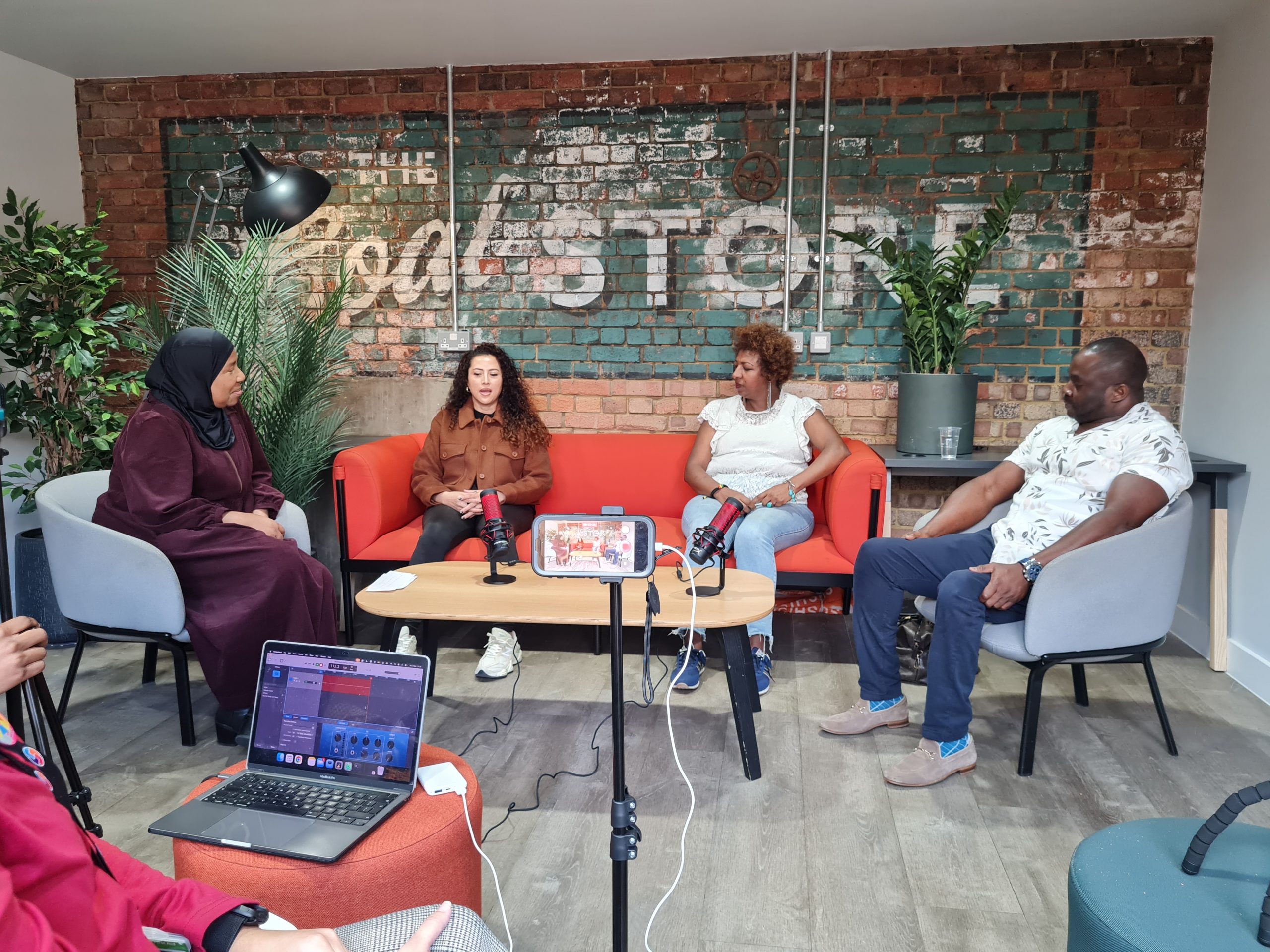
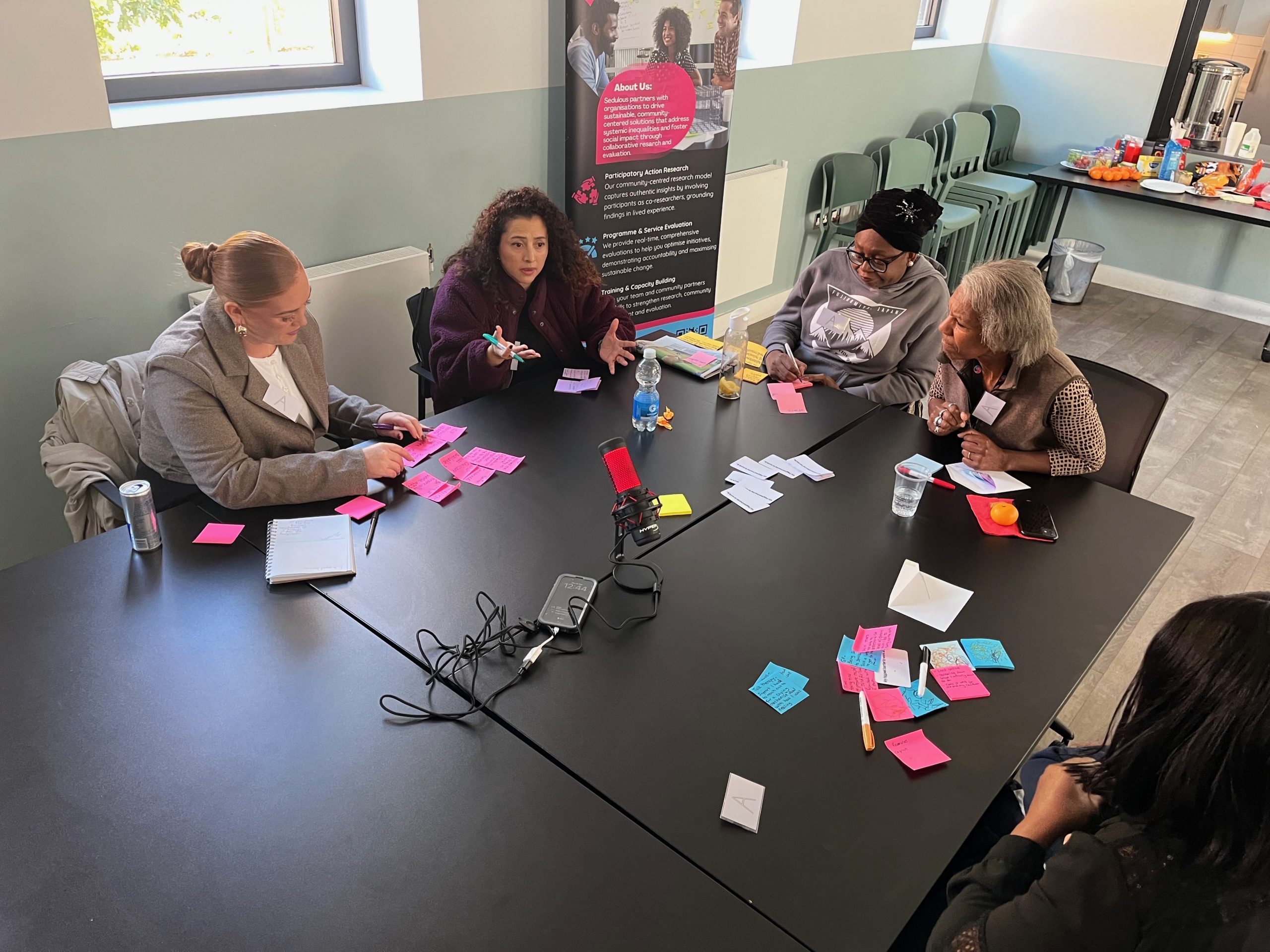
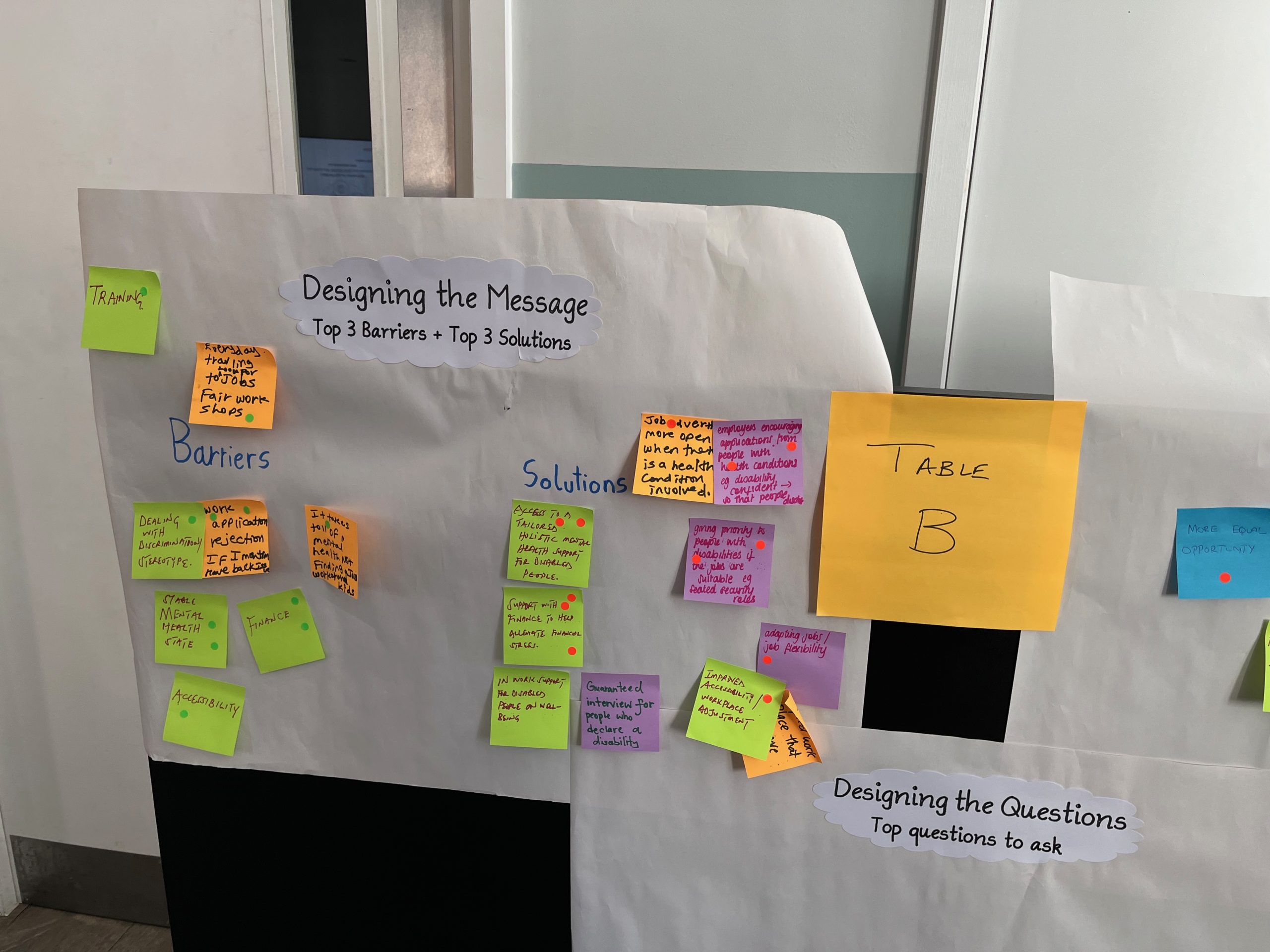
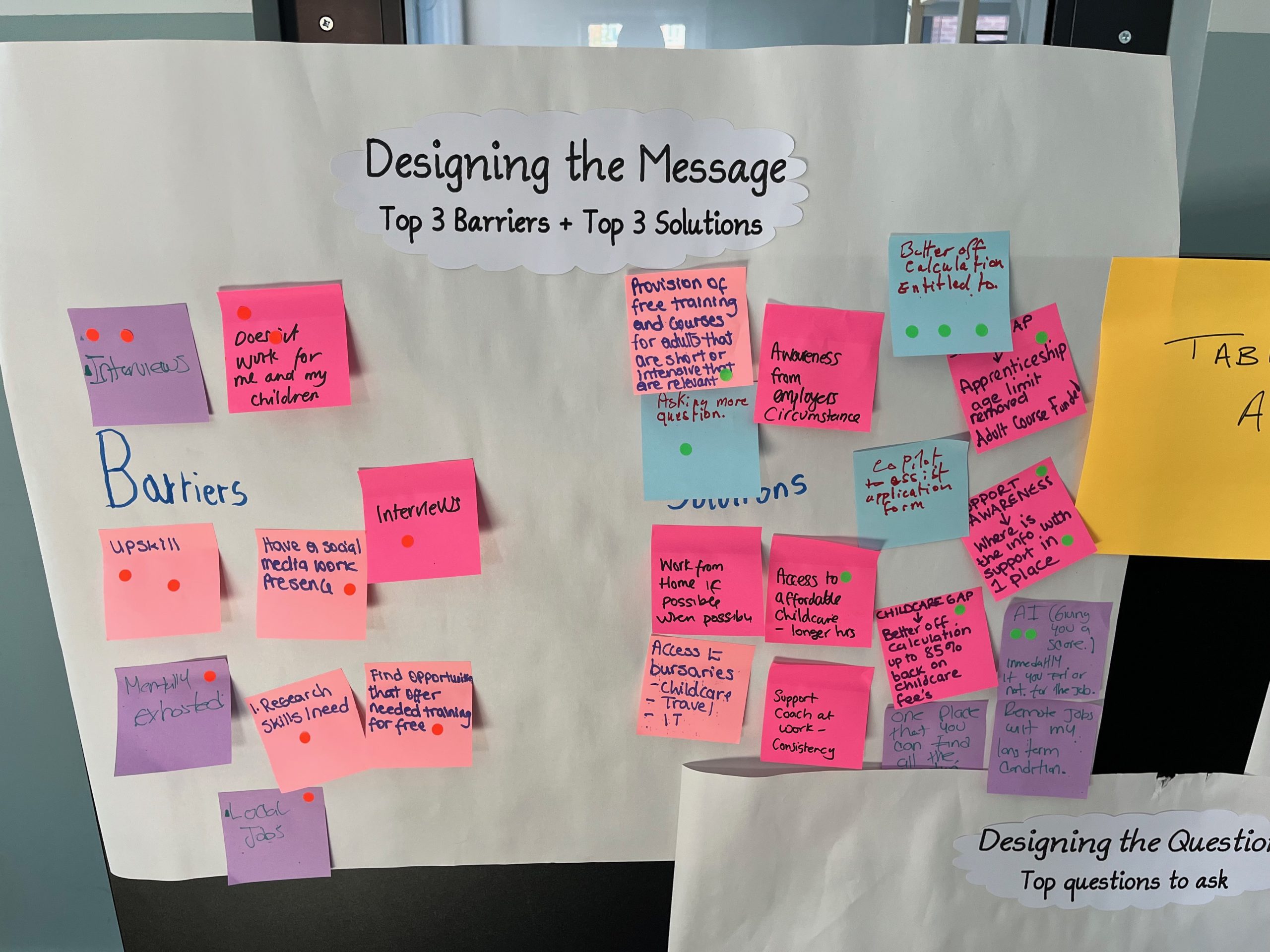
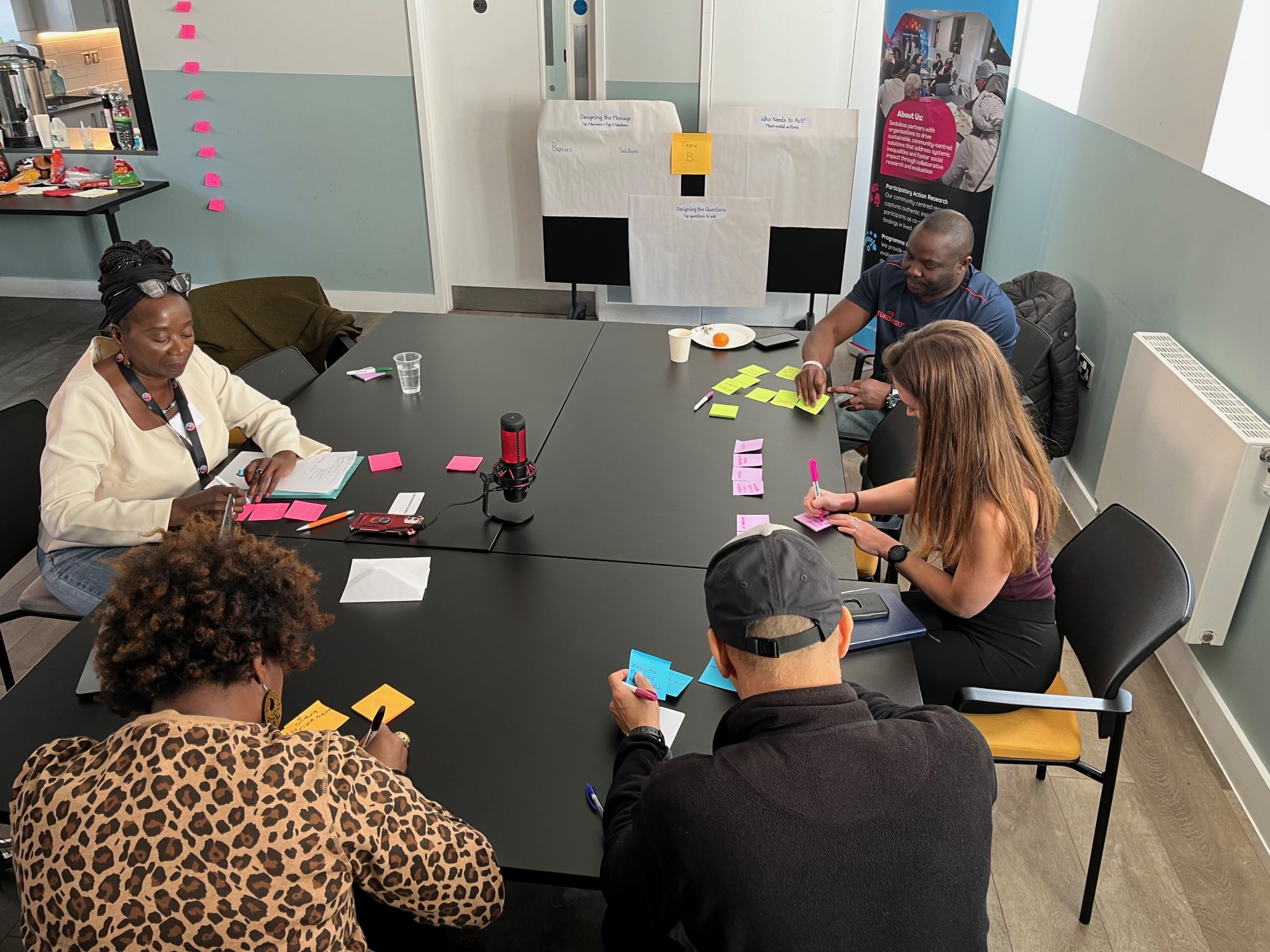
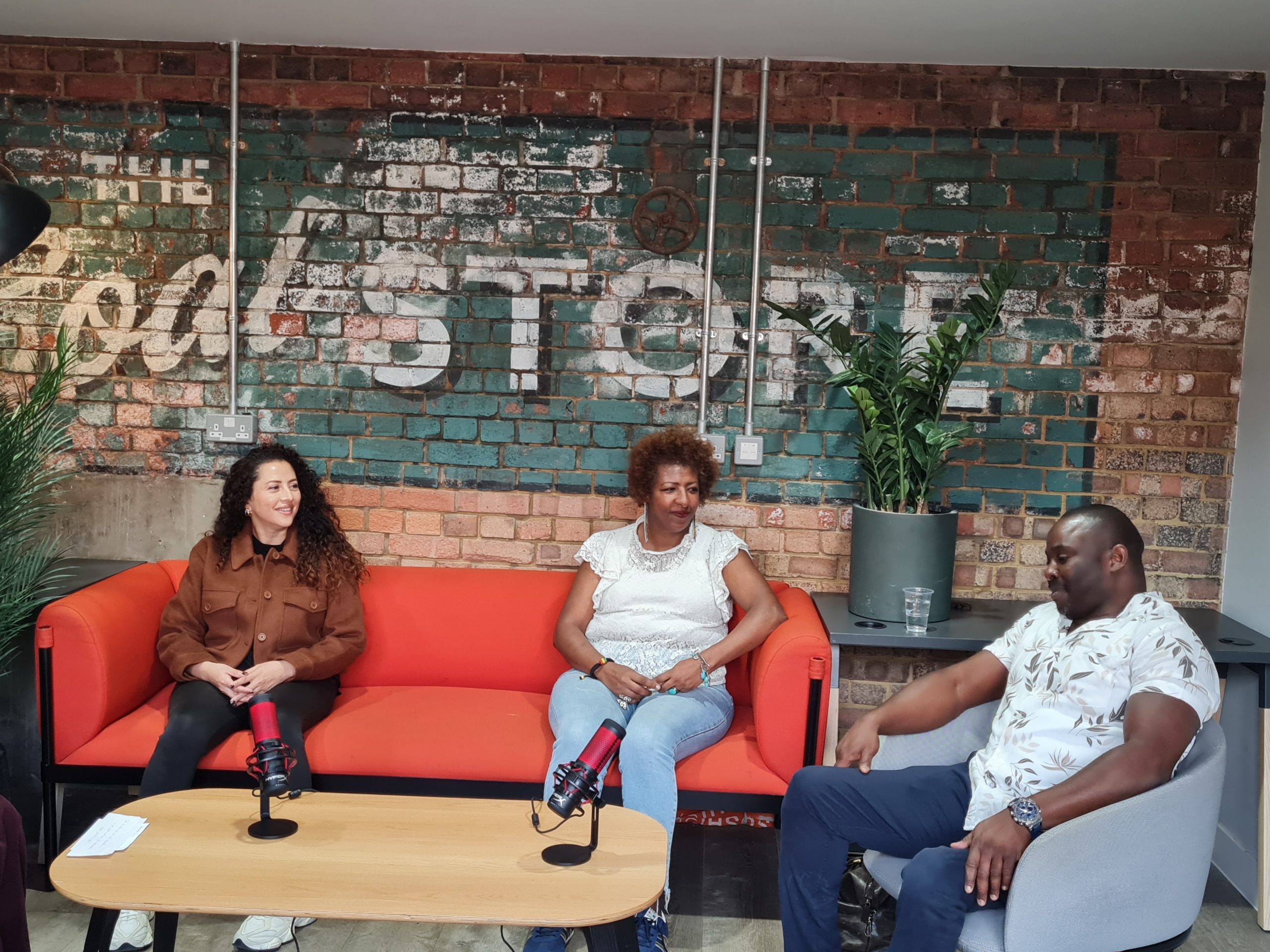
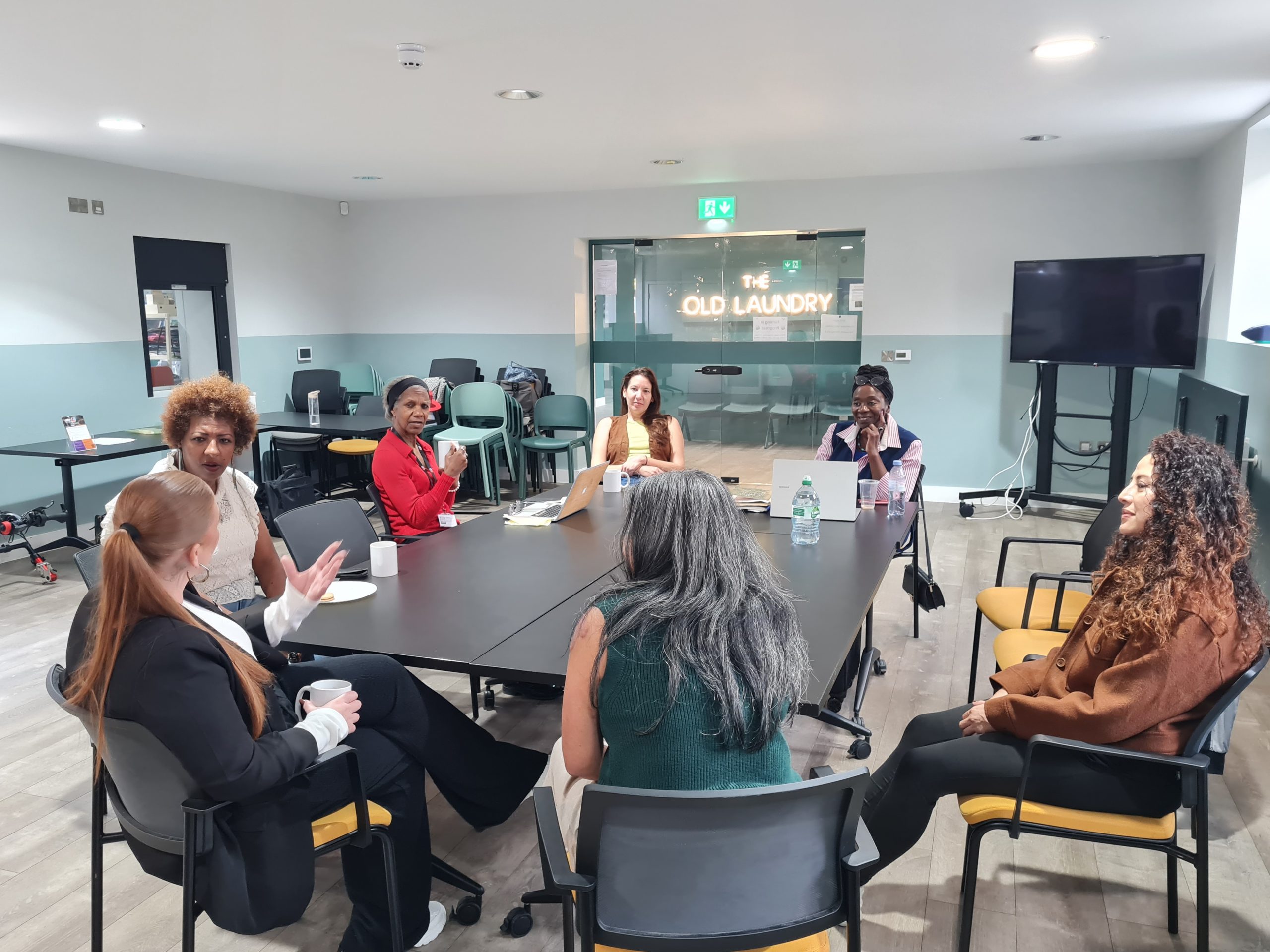
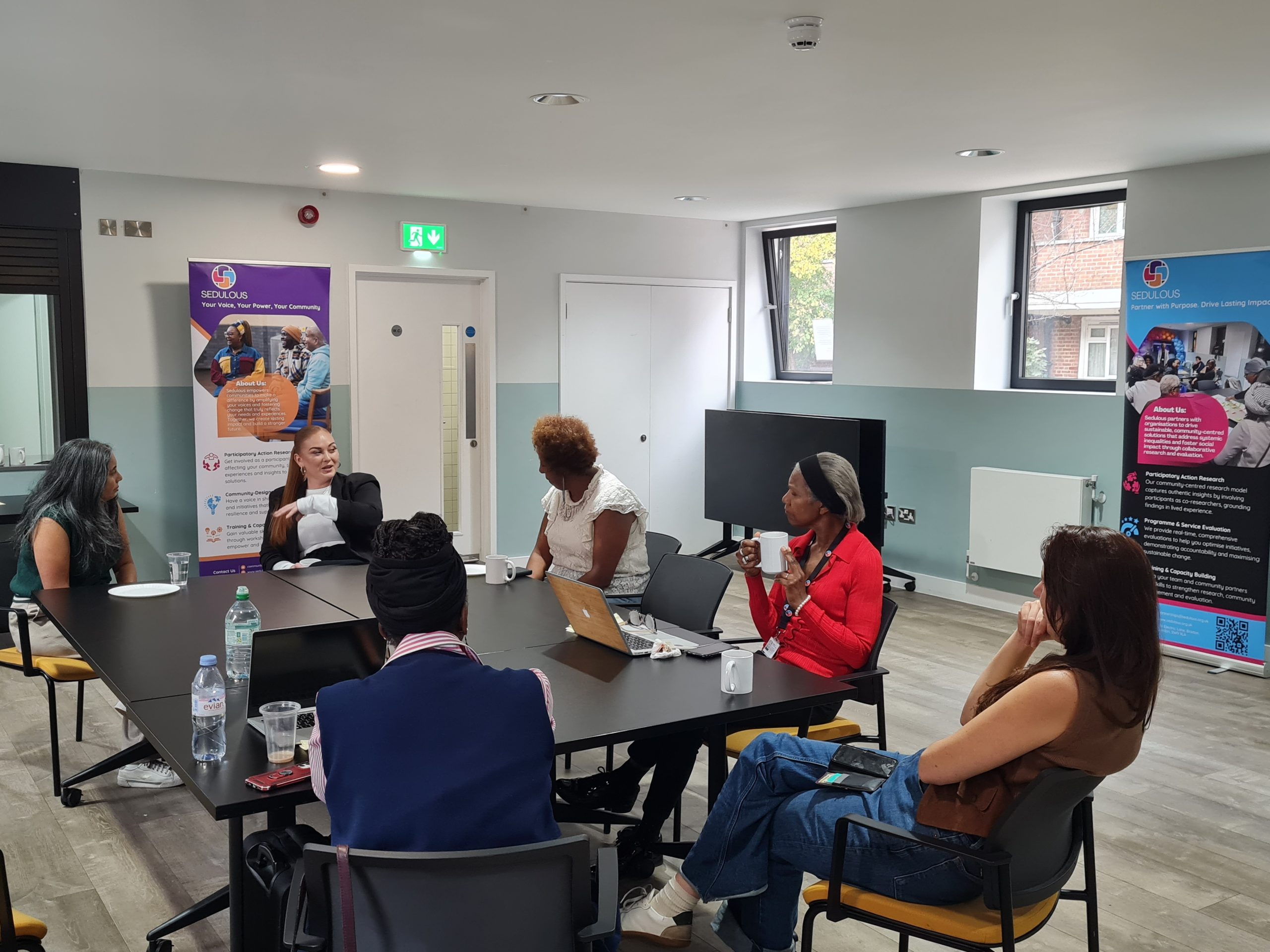
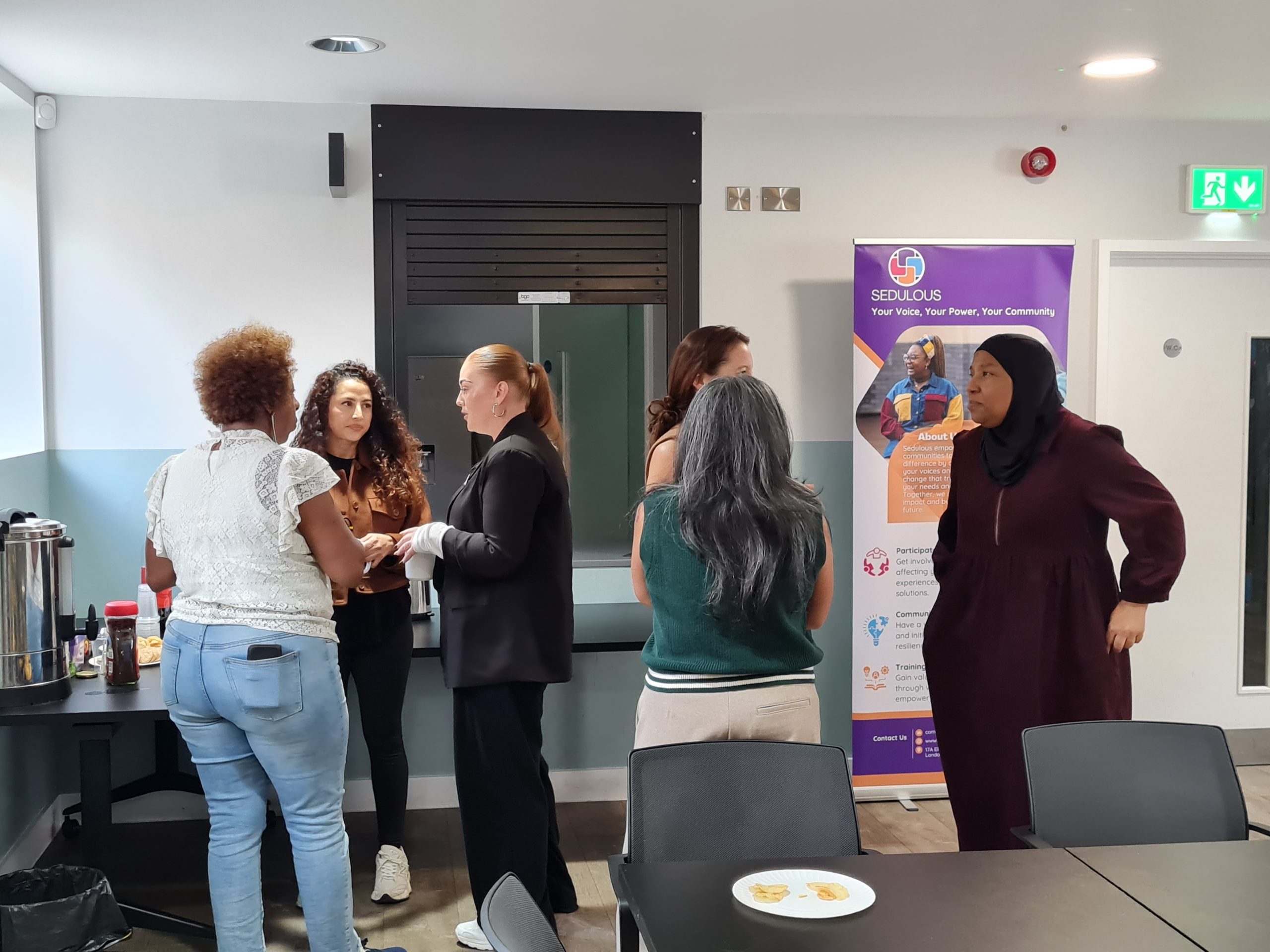
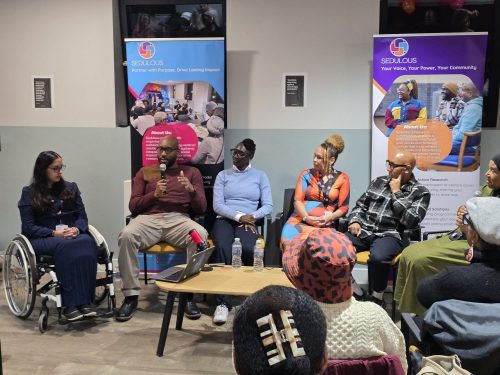
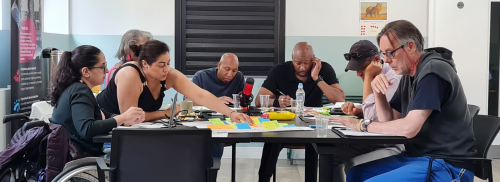
To support development of the APHR, the Sedulous team contributed in several key ways. We attended two Southwark-led stakeholder workshops, sharing insights from our ongoing community work, including learning from the Cost of Living and Multiple Long-Term Conditions project. We also ran an in-depth community roundtable, creating a space for open and honest discussion about employment challenges and solutions from those directly affected. To ensure the process was equitable and resident-led, we facilitated a co-design session where residents shaped how the roundtable should run, what questions should be asked and how their voices should be represented. 

Following the roundtable, Sedulous produced a written summary of the insights and resident recommendations to feed directly into the Annual Public Health Report. This was accompanied by a clear and accessible infographic that captured the main themes and community priorities identified through the engagement. 

This collaborative, lived-experience-led approach ensured that the final report is grounded not only in data, but in the perspectives and priorities of Southwark residents themselves. This strengthens the report’s ability to influence future programmes such as Connect to Work and to shape more responsive and equitable employment support across the borough.

Thumb

Get In Touch

Ready to make an impact? Get in touch with us today to see how we can work together to create meaningful, lasting change for communities.

Contact Us Now

Download Our Brochure

Why It Matters

Understanding the link between work and health is essential for improving the wellbeing of Southwark’s residents. Employment is more than an income source—it shapes identity, confidence, purpose, social connection and long-term health outcomes. When people with long-term conditions, disabilities or caring responsibilities are unable to access meaningful, secure work, the impact is both personal and structural.

This project matters because:

  • Health-related worklessness is rising, and Southwark is disproportionately affected. Many residents live with long-term health conditions that limit their ability to find or sustain employment, creating cycles of financial strain, isolation and poorer health;
  • Inequalities fall unevenly across the borough. Residents in the most deprived neighbourhoods, and those from Black, Asian, Latin American and other ethnic minority backgrounds, experience far greater barriers to work and are less likely to access appropriate support;
  • Traditional employment support often misses the mark. Services are not always designed with or for the people facing the biggest barriers. Without listening to residents, programmes risk reinforcing rather than reducing inequality;
  • Lived experience offers insights that data alone cannot. Hearing directly from people managing long-term conditions, mental health challenges or caring roles reveals the real obstacles and the practical solutions they encounter every day; and
  • Good work is a public health intervention. Access to fair, flexible and supportive employment can improve physical health, mental wellbeing, stability and quality of life across generations.

By placing resident voice at the centre of the Annual Public Health Report, Southwark is taking an important step towards designing employment and health-support systems that truly reflect community needs. This work creates the foundations for more equitable, compassionate and effective programmes, including the emerging Connect to Work model , that respond to people as whole humans rather than statistics.

Key Project Objectives

  • Amplify resident voice by ensuring Southwark residents with long-term health conditions, caring responsibilities or employment barriers directly shape the 2025 Annual Public Health Report;
  • Surface lived insights that reveal the real-world challenges residents face in accessing, staying in or returning to work, insights that cannot be captured through data alone;
  • Highlight inequalities in employment by bringing forward the perspectives of communities disproportionately affected, including those living in the most deprived neighbourhoods and residents from Black, Asian, Latin American and other ethnic minority backgrounds;
  • Co-design equitable engagement so that residents lead the shaping of the community roundtable, determining the format, tone and priorities to ensure the process is fair, respectful and empowering.
  • What are the strengths of using qualitative, participatory research and creative approaches in community-centred research with marginalised and underrepresented communities as reported by the authors?
  • Strengthen the evidence base of the APHR by contributing insight from Sedulous’s community experience, as well as learning from the Cost of Living and Multiple Long-Term Conditions project;
  • Support Southwark’s strategic goals by feeding resident perspectives into future programmes such as Connect to Work, helping services become more responsive and rooted in community reality; and
  • Promote actionable solutions by identifying practical steps, suggested directly by residents, that can improve access to good work, workplace support and health-enabling employment pathways.

Our Approach

Our approach to this project centred on elevating resident voice in a way that was respectful, equitable and rooted in lived experience. Because the Annual Public Health Report aims to influence future employment and health programmes, it was essential that the insights we gathered reflected real life in Southwark—not assumptions, not stereotypes, but the everyday truths of residents navigating long-term conditions and employment barriers.

We began by attending two Southwark-led stakeholder workshops. These sessions brought together partners working across health, employment and skills. Our contribution focused on sharing insights from our ongoing community work, including learning from the Cost of Living and Multiple Long-Term Conditions project, to help ground the discussions in real resident experience.

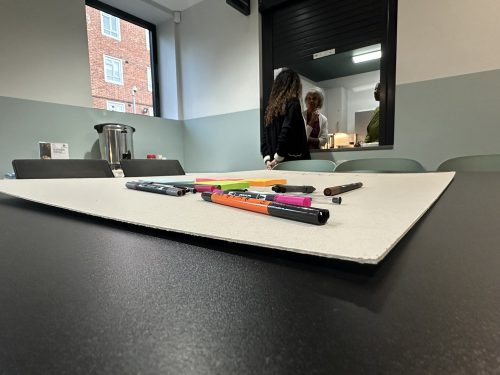
From there, we shaped a deeper engagement process designed to bring resident perspectives to the forefront. Sedulous led a co-design session with Southwark residents, an intentional step to ensure that community members had control over how the main roundtable should run. Residents identified which questions mattered most, how the space should feel and what would help them speak openly about sensitive issues like illness, job loss, stigma and workplace support. This co-created structure set the tone for a roundtable that was genuinely community-led.

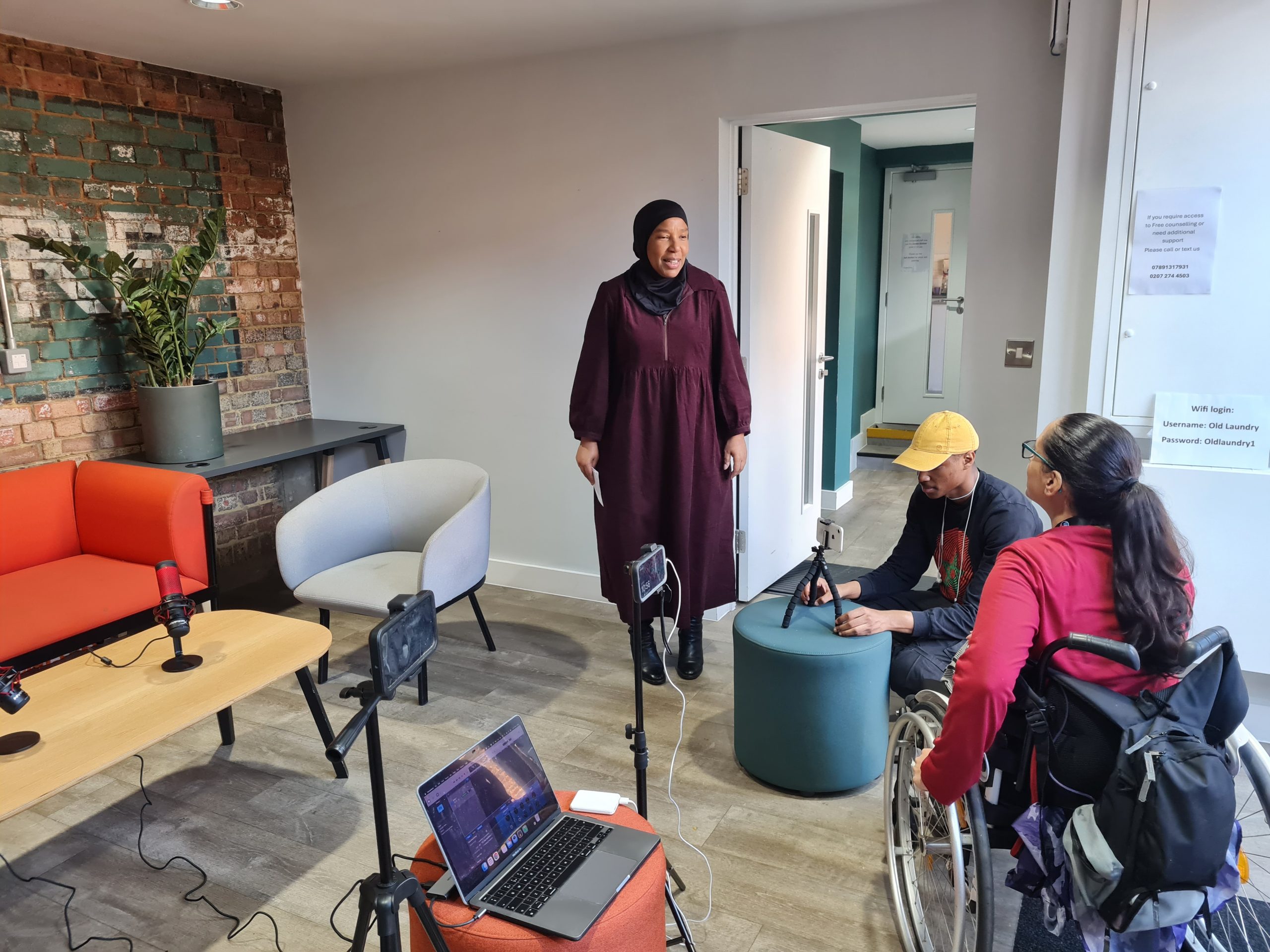
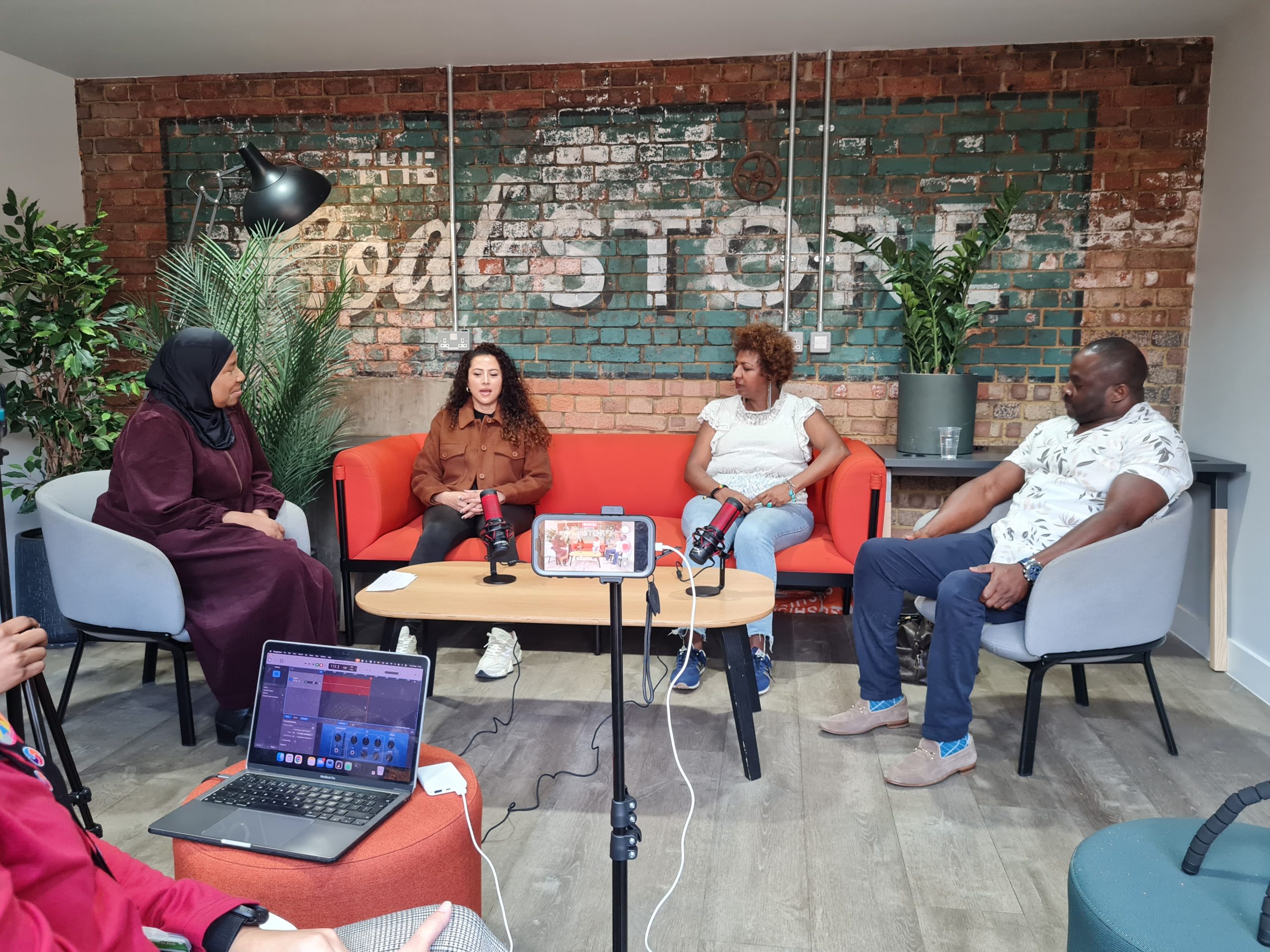
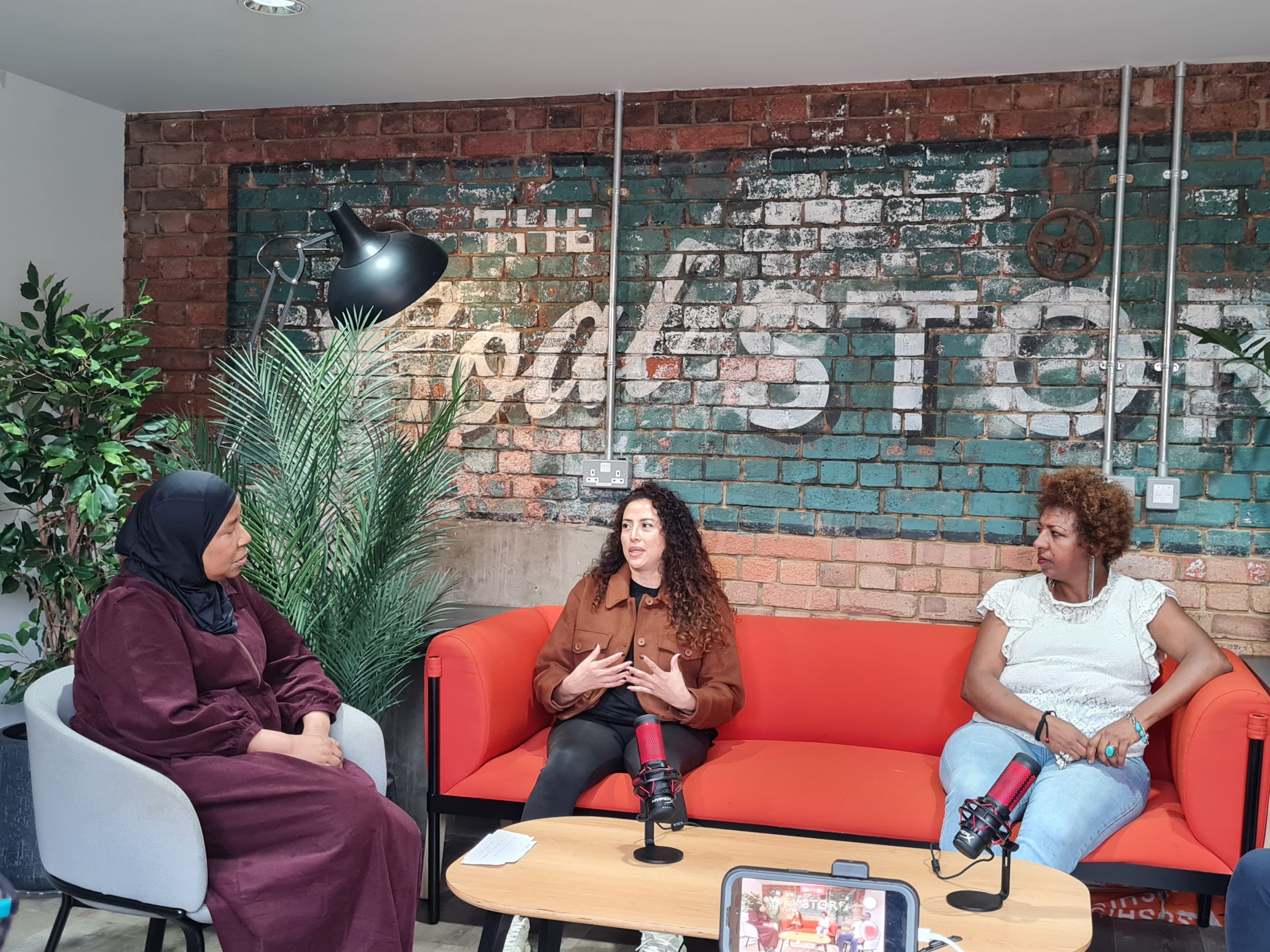
Using this framework, we then facilitated a dedicated community roundtable that brought together residents living with long-term conditions, caring responsibilities and other health-related barriers to work. The discussion was open, candid and deeply honest. Our role was to create a safe environment, guide the conversation with sensitivity, and ensure every voice—particularly those often unheard—was centred and respected. This session generated the lived insight that now forms a core part of the 2025 APHR.

Throughout the project, we drew on our positionality as Lived Experience Consultants. This meant approaching residents not as subjects of research, but as peers, people whose challenges we understand, whose perspectives we value and whose expertise we recognise. This grounded approach helped build trust quickly, allowing residents to speak openly about their experiences of illness, discrimination, inflexible employment systems and the supports that genuinely help.

Across stakeholder workshops, co-design activities and the roundtable itself, our approach combined methodological rigour with humanity. By creating space for real stories, we strengthened the authenticity of the APHR and ensured that policy recommendations emerging from the report are shaped by the people who stand to benefit from them most.
Community Involvement

Community involvement was central to this project, not as a consultation exercise but as a meaningful partnership with residents whose experiences sit at the heart of Southwark’s employment and health landscape. Rather than approaching people as participants in a predefined process, we created opportunities for residents to guide, influence and shape the work at every stage.

  • Residents were involved early, helping us understand the kinds of conversations they felt were necessary—and the conditions they needed in order to speak openly about sensitive issues such as long-term illness, loss of income, discrimination, or their struggles navigating employment services. Their insights informed not only what we asked, but how we asked it;
  • We worked closely with community members to ensure the roundtable was accessible and grounded in their reality. Residents shaped the tone of the session, the topics to prioritise, and the ways in which people could share experiences safely, whether verbally or through alternative formats. This careful design meant the roundtable reflected the diversity of perspectives across Southwark, including those who are often least represented;
  • During the discussions, residents brought forward a wide spectrum of lived experiences—from managing fluctuating health conditions, to balancing caring roles, to navigating workplaces that often lack flexibility or understanding. Their honesty and clarity created a richer, more nuanced picture of the barriers people face and the types of support that genuinely make a difference; and
  • Importantly, community involvement didn’t end with the conversation itself. Residents’ contributions directly informed the themes, messages and recommendations feeding into the Annual Public Health Report, ensuring the final output reflects not just professional insight but the realities of people whose health most directly affects their working lives.

This approach ensured that the community was not merely consulted, but truly involved shaping the content, context and impact of the work in ways that will resonate far beyond this single project.

Partners & Funders

This project was commissioned by Southwark Council, who engaged Sedulous to support the development of the 2025 Annual Public Health Report with authentic, community-driven insight. As the client, Southwark provided the strategic direction and the framework for exploring the relationship between work and health—ensuring the project aligned with the borough’s priorities around reducing inequalities and improving employment pathways for residents with long-term health conditions. 

We worked closely with Dr Alice Fletcher-Etherington, Public Health Programme Manager, and Kimberly Weatherston, Connect to Work Principal Programme Officer, both of whom played a central role in shaping the scope, supporting the engagement process and ensuring that community perspectives were integrated meaningfully into the APHR.

This partnership brought together Sedulous’s lived-experience-led engagement expertise and Southwark’s commitment to evidence-based, resident-informed public health. The result is a piece of work rooted in collaboration, trust and shared purpose—strengthening the foundations for more equitable employment support across the borough.

Southwark Council Logo

What’s Next

Although this phase of the project has come to an end, the work it has generated is far from finished. The insights shared by Southwark residents—honest, specific and grounded in lived experience—have highlighted clear opportunities for change. The next step is ensuring that these voices translate into meaningful action.

Sedulous will be working with Southwark stakeholders to explore how the recommendations emerging from the community roundtable, co-design work and wider engagement can influence future programmes across the borough, including employment support, workplace wellbeing initiatives and the evolving Connect to Work model. Our aim is to help ensure that the perspectives residents entrusted to us result in better pathways, better support and better outcomes for those living with long-term conditions or facing health-related barriers to work.

This project has demonstrated the value of centring lived experience within public health reporting. Our shared ambition now is to build on this foundation—strengthening partnerships, advocating for resident-led solutions and continuing to champion approaches that make Southwark’s employment landscape more equitable, compassionate and accessible for everyone.

Get in Touch!

If your organisation wants to centre real community experience in its work, whether in public health, employment, housing or wider social impact, we would be glad to support you. Sedulous specialises in lived-experience-led engagement that brings honesty, nuance and humanity into policy, strategy and programme design.

Whether you are exploring a new initiative, seeking to strengthen resident involvement, or looking for partners to help shape equitable, community-driven solutions, we can help you build an approach grounded in trust and real-world insight. Reach out to start a conversation. Lasting change begins when people feel heard and when their experiences help shape what comes next.

Related Projects