• Sedulous Collective CIC<br> 17A Electric Lane<br> Brixton<br> London<br> SW9 8LA
  • welcome@sedulous.org.uk

Southwark Living – Participatory Data

Client Name

Sedulous / Just Knowledge

Project Type

Participatory Data

Year

2026

Status

Live

Southwark Works Service User Evaluation

Project Overview

Southwark Living is an innovative pilot project exploring how residents can play a more meaningful role in shaping the evidence that informs local decision-making.

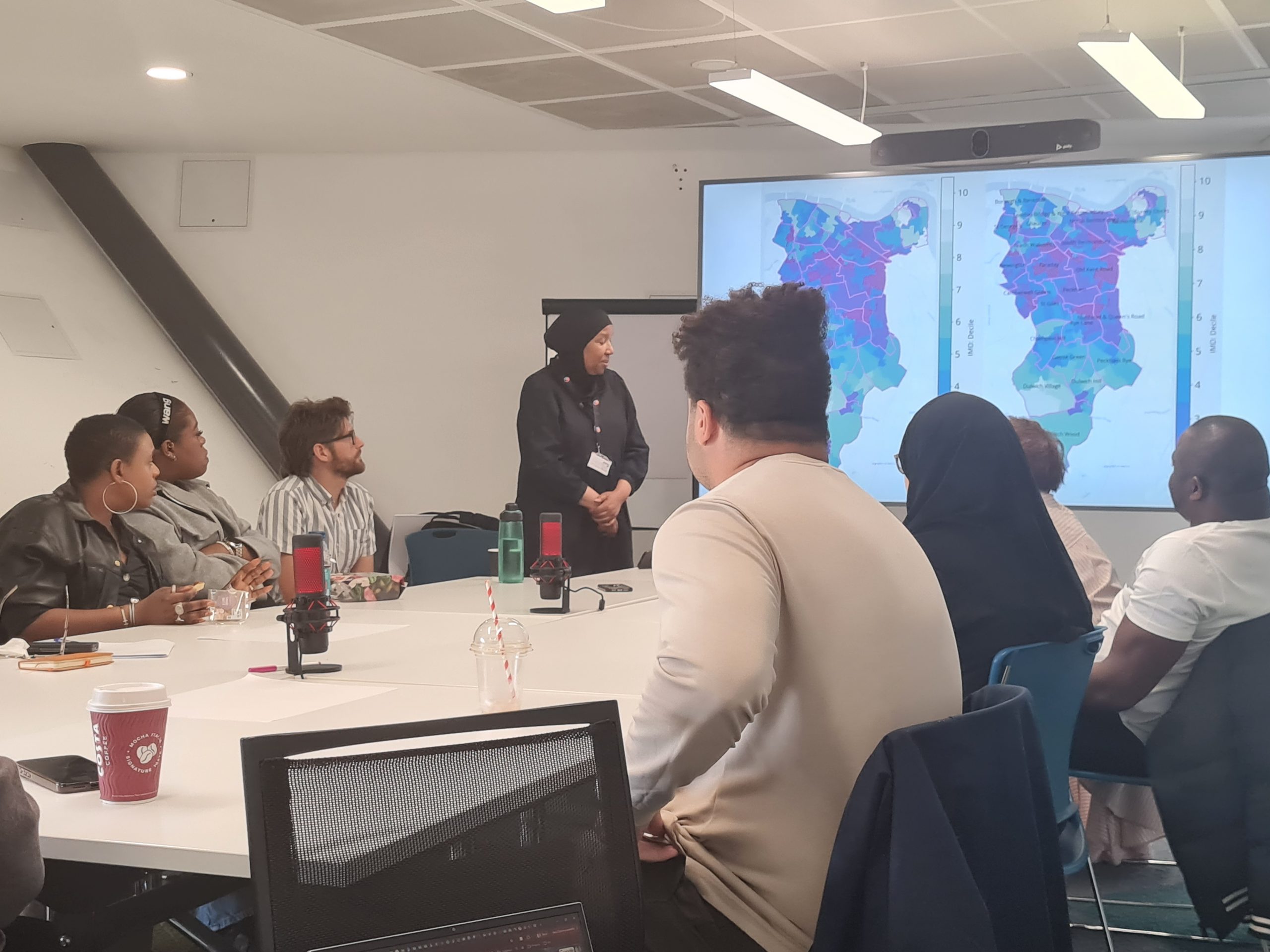
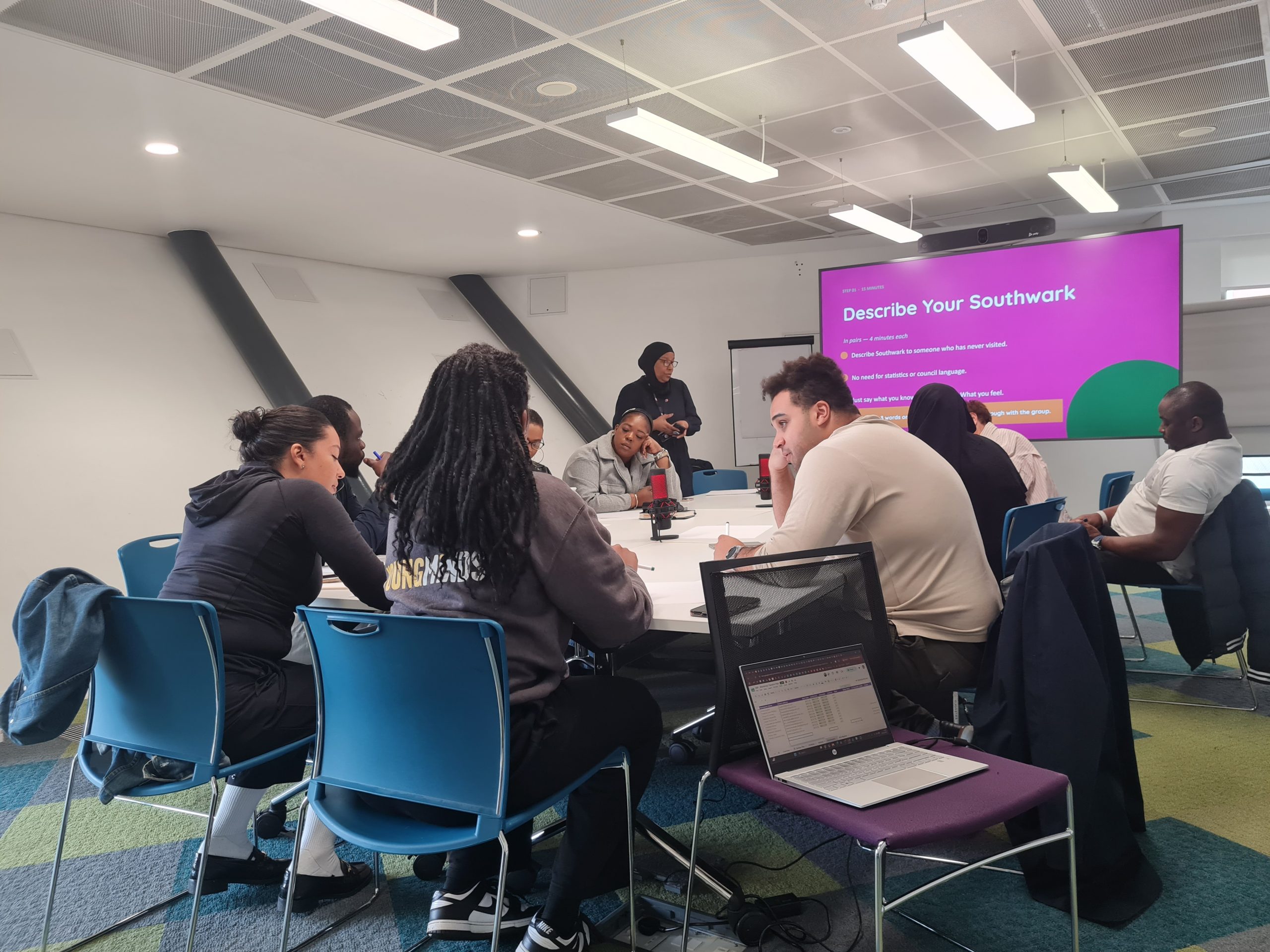
Delivered in partnership with Just Knowledge, the project brings together a diverse group of Southwark residents as co-researchers to examine what data matters when understanding inequality, quality of life and community change across the borough. Rather than treating residents as participants or consultees, the project positions them as active contributors to the research process, helping to define priorities, interrogate evidence and shape the questions being asked.

The project responds to a growing challenge facing public services, local authorities and anchor institutions: while vast amounts of data are collected and analysed, the people most affected by decisions are rarely involved in determining what should be measured or how findings should be interpreted. As a result, important aspects of everyday life can remain invisible within traditional reporting and performance frameworks.

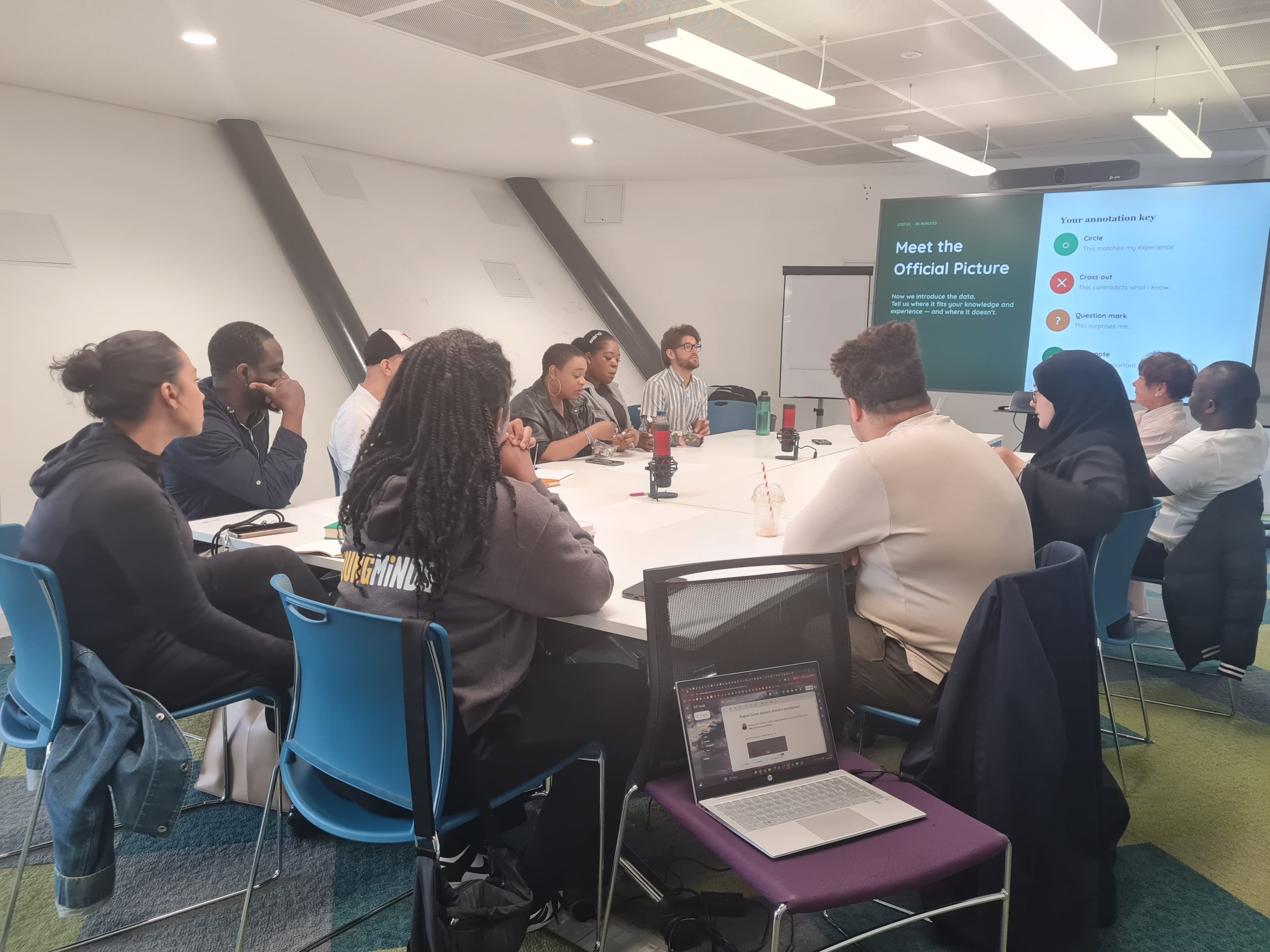
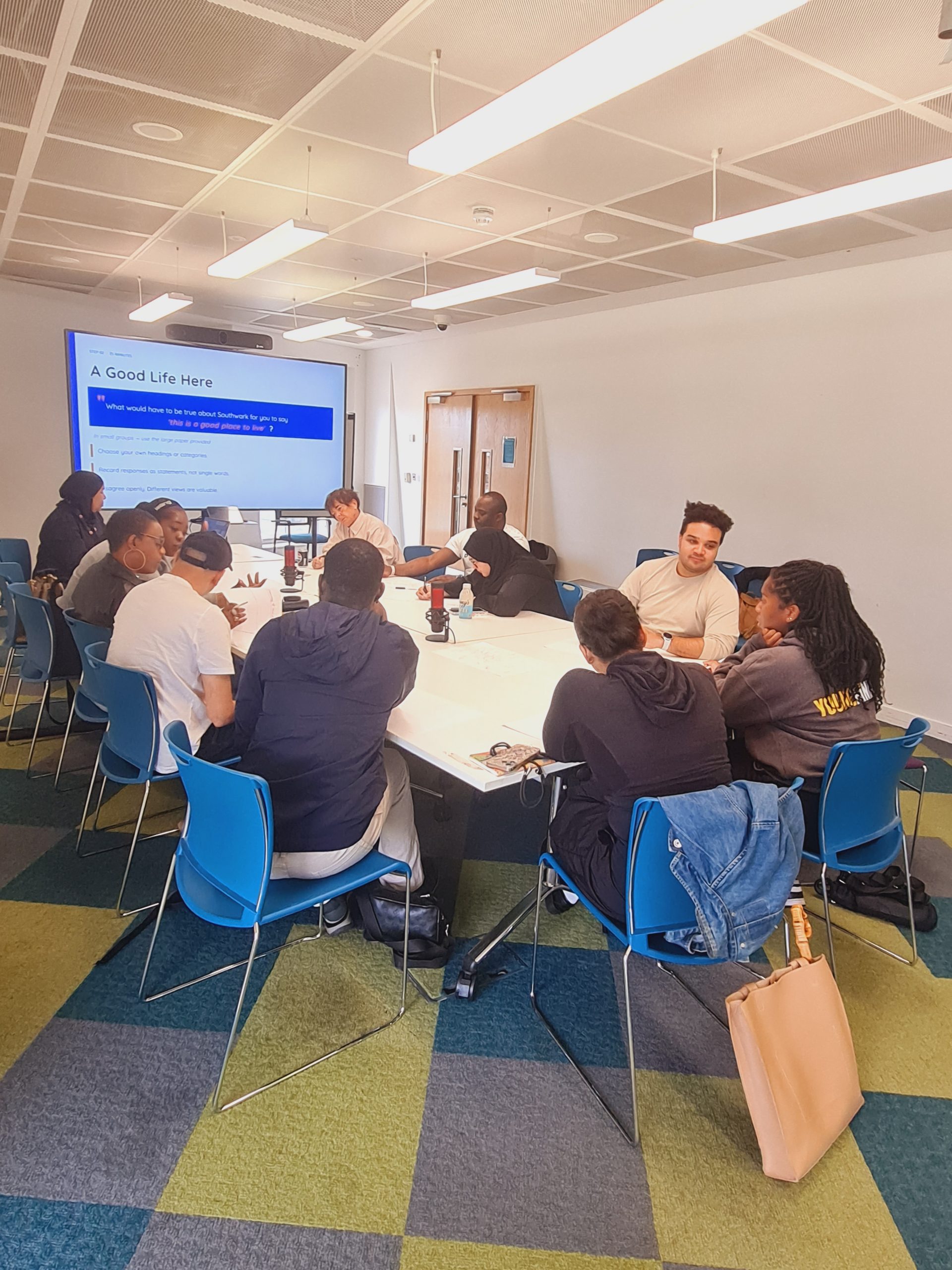
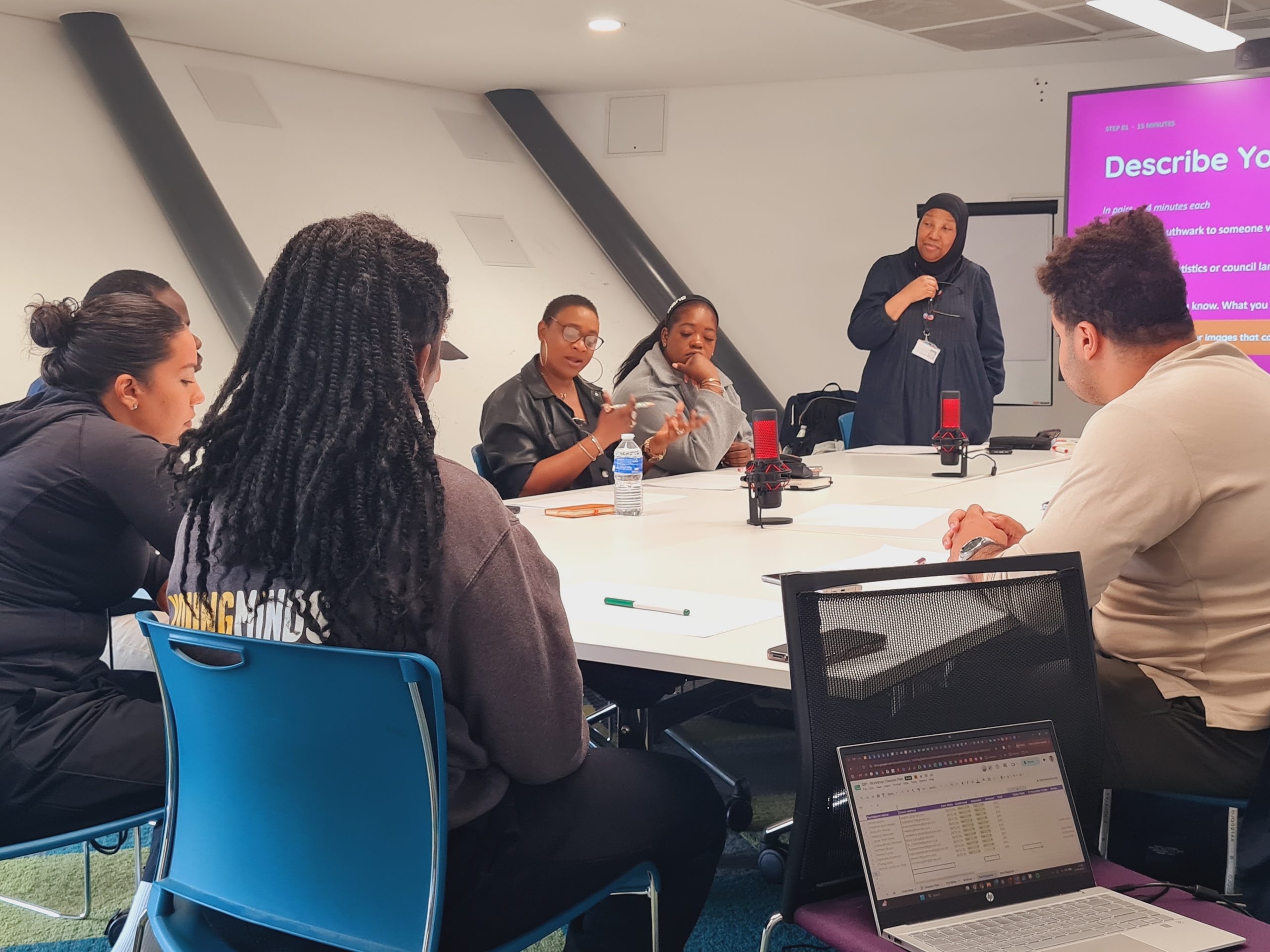
Southwark Living seeks to bridge this gap by bringing lived experience and data into direct conversation. Through a series of facilitated workshops, residents are identifying the issues, indicators and experiences they believe best reflect life in Southwark. These priorities are then used to inform the reanalysis of existing borough data, creating opportunities to compare institutional narratives with community perspectives.

Early findings have highlighted how residents often use very different indicators to assess quality of life than those commonly found in official reports. Discussions have explored topics such as the changing nature of local high streets, the disappearance of community-serving businesses, access to healthcare and youth opportunities, cultural accessibility, neighbourhood identity and the visible contrasts between wealth and deprivation across the borough.

The project is also testing a different approach to data interpretation. Rather than presenting statistics as objective facts to be accepted at face value, residents are invited to critically examine the evidence, question assumptions, identify gaps and explore whether existing datasets accurately reflect their lived realities. This creates a richer understanding of both the strengths and limitations of conventional evidence bases.

At its core, Southwark Living is exploring a simple but important question: who gets to decide what counts as evidence? By involving residents in both priority setting and data interpretation, the project seeks to demonstrate how community knowledge can strengthen the quality, relevance and legitimacy of decision-making.

For organisations seeking to better understand communities, the project offers an alternative to traditional consultation models. Rather than asking residents to react to pre-defined questions, it creates the conditions for communities to help shape the evidence itself. This can reveal overlooked issues, challenge institutional assumptions and generate insights that may otherwise remain hidden within existing datasets.

As public services increasingly seek to combine quantitative evidence with lived experience, participatory approaches to data interpretation have the potential to become an important part of how places understand themselves and make decisions about the future.

Southwark Living represents an early exploration of this approach, testing what becomes possible when residents are not simply represented within the data, but actively involved in making sense of it.

Thumb

Get In Touch

Ready to make an impact? Get in touch with us today to see how we can work together to create meaningful, lasting change for communities.

Contact Us Now

Download Our Brochure

Why It Matters

Across the public sector, organisations are increasingly committed to using data and evidence to inform decision-making. However, decisions are often shaped by datasets, indicators and analytical frameworks that have been developed without meaningful input from the communities they are intended to represent. As a result, important aspects of everyday life can remain hidden, overlooked or misunderstood.

Southwark Living is exploring how participatory approaches to data can help address this challenge by placing residents at the centre of both priority-setting and interpretation.

This matters because:

  • What gets measured influences what gets prioritised. If important community concerns are not captured within data, they are less likely to inform policy, investment and service design.
  • Data does not interpret itself. The same dataset can tell different stories depending on who is analysing it, what questions are being asked and what lived experiences are brought into the conversation.;
  • Residents often identify different indicators of quality of life than institutions. Community discussions frequently highlight issues that are absent from traditional reporting, such as the changing nature of local high streets, the loss of community infrastructure, cultural accessibility, feelings of belonging and the ability to remain living in an area over time.
  • Lived experience offers insights that data alone cannot: Hearing directly from people managing long-term conditions, mental health challenges or caring roles reveals the real obstacles and the practical solutions they encounter every day;
  • Lived experience can strengthen the quality of evidence. Residents provide context, challenge assumptions and help identify gaps that may not be visible through quantitative data alone.
  • Participatory approaches can build greater trust and legitimacy. When communities are involved in shaping and interpreting evidence, decisions are more likely to be understood, challenged constructively and viewed as relevant to people's lived realities.
  • Complex social issues require multiple forms of knowledge. Statistical evidence, professional expertise and lived experience each offer different perspectives. Bringing these together creates a richer understanding of places, communities and systems.

By combining lived experience with system-level analysis, this project creates a deeper understanding of how employment support services function in practice. This enables decision-makers to move beyond assumptions and design services that are not only accessible, but consistently effective across different communities and contexts.

Key Project Objectives

Southwark Living is designed to test a new approach to understanding place, community and inequality by bringing residents into the heart of how evidence is generated and interpreted.The project aims to:

  • Surface the issues that matter most to residents. Create space for residents to identify the factors they believe have the greatest influence on quality of life, opportunity and inequality within Southwark, ensuring that community priorities help shape the direction of the research from the outset.
  • Challenge assumptions about what counts as evidence. Explore how residents understand and interpret their borough, recognising that lived experience often highlights issues, indicators and patterns that may be overlooked within traditional datasets and performance frameworks.
  • Re-examine existing data through a community lens. Use resident-defined priorities to inform the reanalysis of borough-level data, testing how community-led interpretation may produce different insights, questions and conclusions than conventional analytical approaches.
  • Identify what is missing from current evidence bases. Investigate where existing data may fail to capture important aspects of everyday life, including belonging, accessibility, cultural relevance, community infrastructure and neighbourhood change.
  • Demonstrate the value of participatory data approaches. Test whether involving residents directly in evidence generation and interpretation can produce richer, more relevant and more actionable insights for organisations seeking to understand the communities they serve.
  • Strengthen the connection between lived experience and decision-making. Explore practical ways of integrating community knowledge alongside quantitative data and professional expertise to support more informed, inclusive and responsive decision-making.
  • Generate a replicable model for community-led insight. Develop learning that can inform how local authorities, health systems, housing providers, funders and other organisations involve communities not only in consultation, but in shaping the evidence that drives strategy, investment and service design.
  • Build confidence in residents as producers of knowledge. Move beyond traditional participation models by positioning residents as co-researchers and co-analysts, demonstrating the value of community expertise in understanding complex social issues and shaping local futures.

Our Approach

Traditional approaches to community insight often position residents as respondents, consultees or participants. Southwark Living takes a different approach. Rather than asking residents to react to pre-defined questions, the project positions them as co-researchers and co-analysts, actively shaping both the focus of the research and the interpretation of the evidence. This recognises that communities hold valuable knowledge about their local areas and that lived experience can strengthen, challenge and contextualise traditional datasets.

Working in partnership with Just Knowledge, we are combining participatory research methods with quantitative data analysis to create an iterative process where community insight and statistical evidence continuously inform one another.

The project follows a structured but flexible process:

  • Community Priority Setting. Residents identify the issues, inequalities and opportunities they believe matter most within Southwark, helping to define the focus of the project rather than responding to a predetermined agenda..
  • Community-Led Data Reanalysis. Existing borough datasets are re-examined through the lens of community-defined priorities, enabling the analysis to focus on the questions residents themselves have identified as important.
  • Collective Sense-Making. Residents are invited to interrogate, interpret and challenge the findings, exploring where the data aligns with their experiences, where it contradicts them and where important gaps may exist.
  • Integrated Insight Generation. Quantitative evidence and lived experience are brought together to develop a richer understanding of local realities, helping to uncover patterns, tensions and opportunities that may not be visible through a single source of evidence alone.

What makes this approach distinctive is that residents are involved not only in sharing experiences, but also in shaping the evidence itself. The project treats lived experience as a form of decision-grade evidence, recognising that understanding a place requires more than data alone.

This approach also creates opportunities to surface issues that may be overlooked within traditional reporting frameworks. Early discussions have highlighted topics such as the changing nature of local high streets, the loss of community-serving businesses, cultural accessibility, neighbourhood identity, community belonging and the ability of long-standing residents to remain within their communities. While these issues may not always appear prominently within official datasets, they play a significant role in how residents experience quality of life.

By combining participatory research, community-led sense-making and quantitative analysis, Southwark Living is testing a model that moves beyond consultation and towards genuine collaboration in the production of knowledge. The project aims not only to generate valuable insight for Southwark, but also to explore how organisations can work differently with communities when seeking to understand places, inequalities and social change.

Community Involvement

Community involvement sits at the heart of Southwark Living. The project was designed around a simple principle: if data is used to make decisions that affect people's lives, then communities should have a meaningful role in shaping how that data is understood and interpreted.

Too often, residents are invited into research only after the key questions have already been decided. They are asked to validate findings, respond to proposals or share experiences, but rarely have influence over what is measured, what evidence is considered important or how conclusions are reached.

Southwark Living takes a different approach.

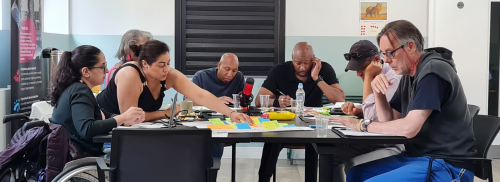
A diverse group of Southwark residents have been recruited as co-researchers, bringing together a range of experiences, perspectives and connections to different communities across the borough. Their role extends far beyond participation. They are actively shaping the direction of the project and helping to determine what issues, questions and indicators deserve further exploration.

Throughout the project, residents are involved in:

  • Identifying priorities that they believe have the greatest impact on quality of life, opportunity and inequality across Southwark.
  • Challenging assumptions about what data can and cannot tell us about people's everyday experiences.
  • Highlighting overlooked issues and indicators that may be absent from traditional borough reporting, but play an important role in how communities experience their local area.
  • Interpreting and contextualising quantitative data, helping to explain why patterns exist and what they mean in practice.
  • Identifying gaps within existing evidence, including communities, experiences and issues that may not be adequately represented.
  • Shaping the final outputs, ensuring that findings reflect both statistical evidence and lived realities.

Importantly, residents are not expected to become data analysts. Instead, the project recognises that they already hold valuable expertise about their neighbourhoods, communities and lived experiences. By bringing this knowledge into direct conversation with quantitative evidence, the project creates opportunities for richer and more grounded forms of understanding.

The involvement of residents has already challenged several assumptions about what matters when assessing quality of life in Southwark. Discussions have moved beyond traditional indicators to explore issues such as the changing nature of local high streets, the loss of community-serving businesses, access to culturally relevant services, neighbourhood belonging, youth opportunities and the ability of long-standing residents to remain within their communities.

This approach helps shift community involvement from consultation towards collaboration. Rather than simply contributing to the evidence base, residents are helping to shape it. In doing so, they are demonstrating the value of community knowledge as a vital component of how places understand themselves, identify priorities and make decisions about the future.

Partners & Funders

Just Knowledge Logo

Southwark Living is a collaborative pilot project delivered through a partnership between Sedulous and Just Knowledge, bringing together complementary expertise in participatory research, lived experience insight and data analysis.

The partnership was formed around a shared belief that communities should have a more meaningful role in shaping the evidence that informs decisions about their lives. While many organisations are committed to both community engagement and evidence-based decision-making, these activities often operate separately. Southwark Living seeks to bring them together by creating a process where lived experience and quantitative evidence actively inform one another.

Sedulous leads the participatory and community engagement elements of the project. Drawing on our experience in lived experience research, co-production and community-led inquiry, we have designed and facilitated a process that positions residents as co-researchers rather than participants. Our role is to create the conditions for meaningful dialogue, collective sense-making and the generation of insight that reflects the realities of everyday life across Southwark.

Just Knowledge brings specialist expertise in quantitative analysis, data visualisation and community-centred approaches to data. Through their Data Democracy model, Just Knowledge works to make data more accessible, transparent and accountable to the communities it seeks to represent. Their approach challenges the idea that data interpretation should sit solely with institutions and technical experts, instead exploring how communities can play a more active role in understanding, questioning and shaping the evidence that informs decision-making.

Together, the partnership combines two forms of expertise that are rarely brought together in a structured way. Sedulous contributes deep understanding of participatory practice, lived experience and community knowledge, while Just Knowledge contributes expertise in data analysis, interpretation and the democratisation of evidence. The result is a collaborative model that enables residents to engage not only with the issues that matter to them, but also with the data and evidence used to understand those issues.

Southwark Living is ultimately testing what becomes possible when participatory practice and data science are brought into direct conversation. By combining community-led inquiry with rigorous quantitative analysis, the project seeks to generate richer, more grounded and more meaningful insights than either approach could achieve alone.

The project has been made possible through the commitment of both organisations to developing new approaches to evidence generation and community participation. As the pilot progresses, the learning generated will contribute not only to a deeper understanding of Southwark, but also to wider conversations about data democracy, community knowledge and the future of evidence-informed decision-making.

What’s Next

Southwark Living is the first phase of a wider programme of work exploring how communities can play a more meaningful role in shaping and interpreting the evidence that informs local decision-making.

As a pilot, the immediate goal is to test and refine the approach in practice. We want to understand what happens when residents are involved not only in sharing their experiences, but also in identifying priorities, interrogating data and contributing to the interpretation of evidence. The project provides an opportunity to explore both the strengths and limitations of participatory data approaches, generating practical learning that can inform future work.

The next stage of this journey is already underway. Building on the learning from Southwark Living, we will be launching Living Lambeth, enabling us to test and strengthen the model within a different borough context. Together, these projects will help us understand what elements of the approach are transferable, what needs to be adapted locally and how community-led data interpretation can operate at scale.

Our longer-term ambition is to develop a London-wide programme that supports communities across all 32 boroughs to play a more active role in understanding the places they live. By combining lived experience, local knowledge and quantitative evidence, we believe there is an opportunity to create a richer and more grounded picture of life across the capital, while also identifying the issues and inequalities that matter most to residents themselves.

Alongside delivery, we will be sharing learning from the pilot with local authorities, health systems, housing providers, funders, researchers and other stakeholders interested in participation, evidence and decision-making. A key objective is to demonstrate the value of involving communities earlier and more meaningfully in how evidence is generated, interpreted and applied.

Ultimately, Southwark Living is about more than producing a borough profile. It is about testing a different relationship between communities, data and decision-making. If successful, we hope the project will contribute to a broader shift in how organisations understand places, use evidence and work alongside the people most affected by the decisions they make.

Following the completion of the pilot phase, we intend to seek investment and strategic partnerships to support the expansion of the model across London. In doing so, we hope to build a growing movement around participatory data and data democracy, demonstrating that communities are not simply sources of information, but essential partners in making sense of it.

Get in Touch!

Southwark Living is more than a borough-level research project. It is an opportunity to explore a different relationship between communities, data and decision-making. If you are interested in participatory research, lived experience, data democracy, community-led insight or innovative approaches to evidence generation, we would love to hear from you.

We are particularly interested in connecting with local authorities, NHS organisations, housing associations, funders, academic institutions and community organisations that are exploring how communities can play a more meaningful role in shaping the evidence that informs strategy, investment and service design. We are also keen to engage with partners and funders who share our ambition of expanding this work beyond the pilot phase and building a London-wide programme of community-led borough profiles.

Whether you are interested in applying this approach within your own organisation, learning from the pilot, supporting future development or exploring opportunities for collaboration, we welcome the conversation. Together, we have an opportunity to rethink how evidence is created, whose knowledge is valued and how decisions can be grounded more closely in the realities of the communities they affect.

Related Projects