Our Approach
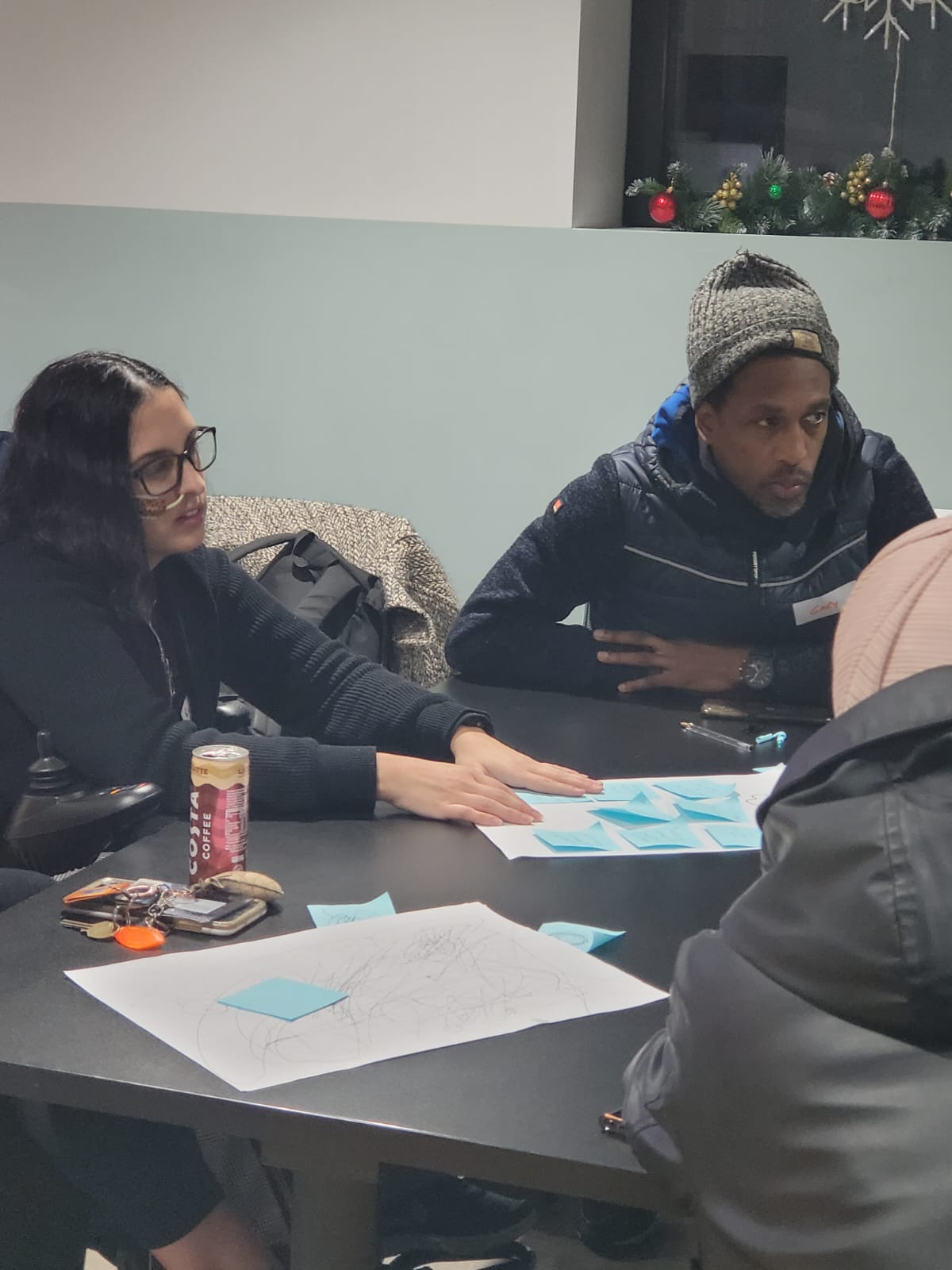
We approached this project with a simple but important principle: before building any kind of service directory, we needed to understand how residents actually find information, what they struggle with and what they would genuinely use. This meant starting from lived experience rather than assumptions.
To do this, Sedulous designed a community survey that combined both quantitative questions and open-text responses. The survey explored awareness levels, information channels and preferred formats for a future directory. This mixed-method approach meant we could capture patterns across the area while still allowing residents to describe their experiences in their own words. As shown on page 9 of the report, the questionnaire explored awareness, usage, channel preferences and accessibility barriers, giving us a rounded picture of local information needs.
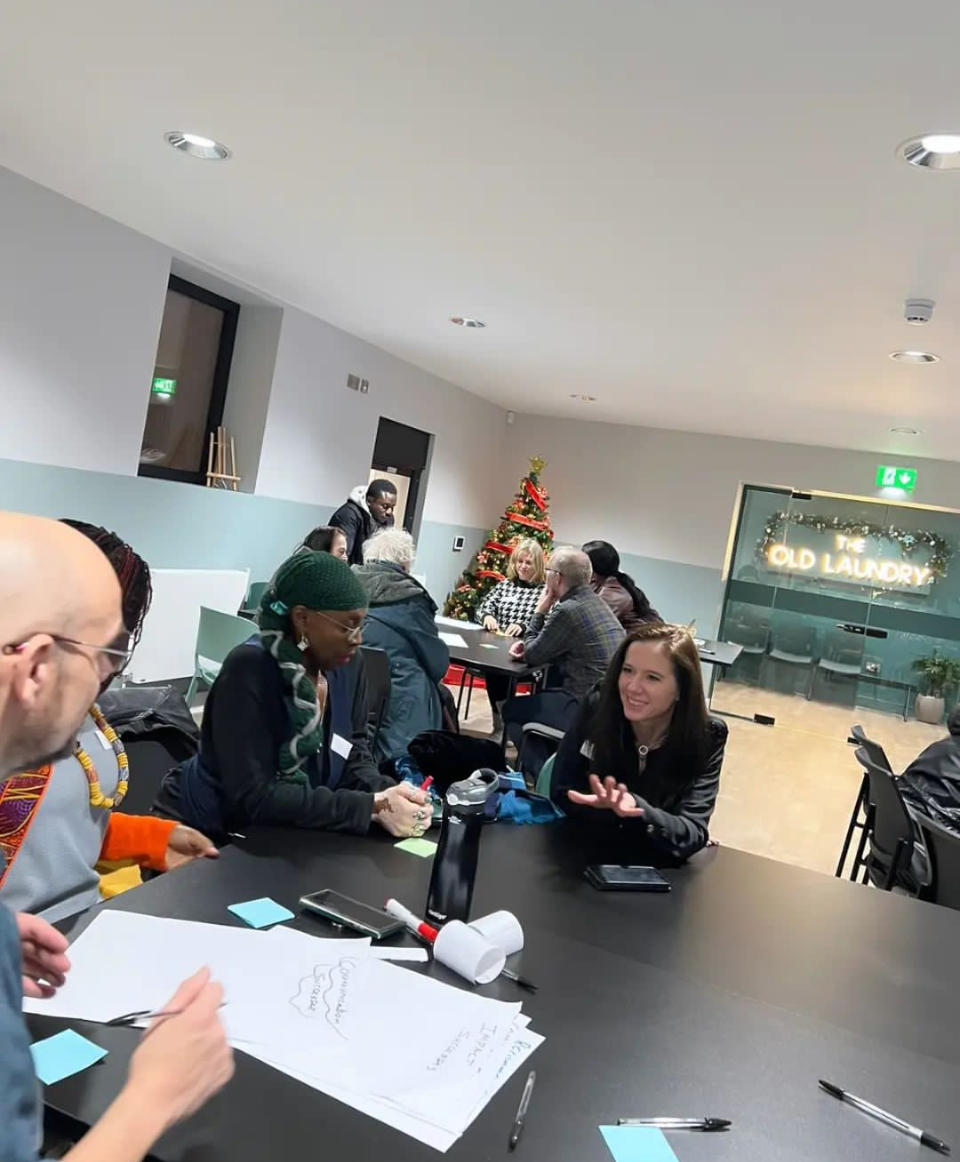
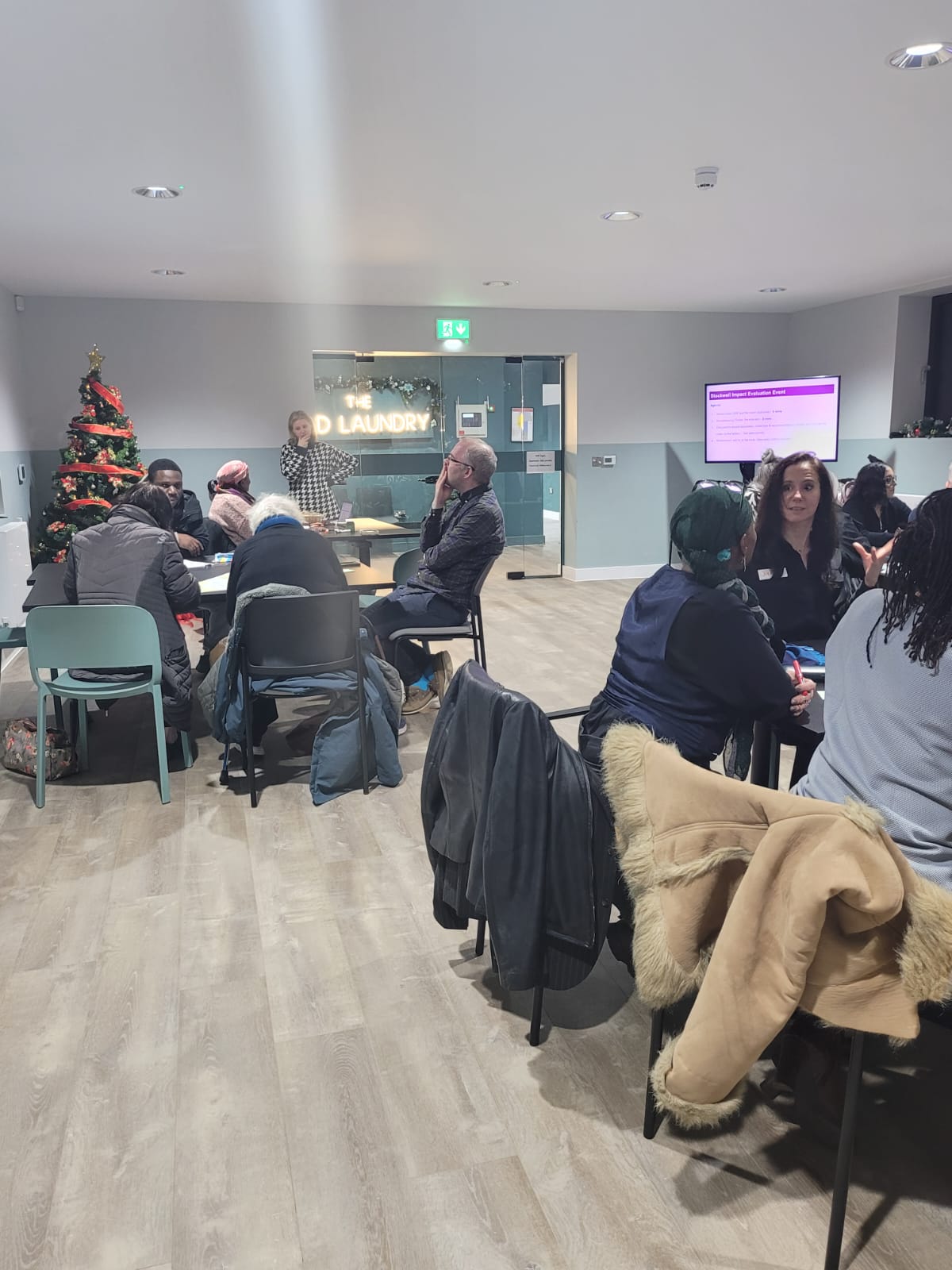
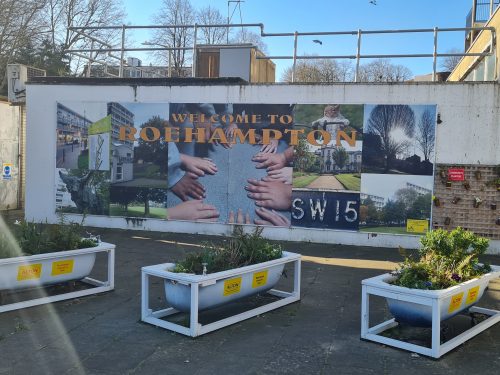
We worked closely with our partners Oval Learning, Thriving Stockwell and Stockwell Partnership to distribute the survey through trusted local networks. This included schools, community organisations and neighbourhood groups, helping us reach a broad cross section of residents. In total, 52 residents responded, offering insights that reflect real households, real challenges and real information gaps.
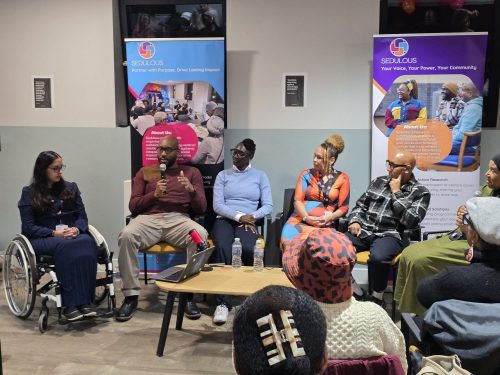
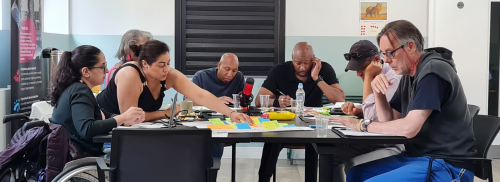
Our approach was grounded in participatory values. As described on page 9, Sedulous positions research as a collaborative process rather than an extractive one. This means creating space for residents to share experiences honestly and ensuring their voices inform practical decisions about the future directory.
We also interpreted the results with equity in mind. Residents with disabilities, long-term health conditions and language barriers were particularly vocal in sharing how difficult it can be to access information locally. By highlighting these patterns, we ensured that the findings would not simply describe what residents know but shine a light on who is being left out and why.
Through this approach, we were able to build a clear, community-informed foundation for the next phase of work. The insights generated are grounded in lived experience, shaped by local realities and focused on creating a directory that is not only useful but fair, accessible and trusted by the people it is designed to serve.