



• Sedulous Collective CIC<br> 17A Electric Lane<br> Brixton<br> London<br> SW9 8LA
  • welcome@sedulous.org.uk

Southwark Works Service User Evaluation

Client Name

Southwark Works / Southwark Council

Project Type

Service User Evaluation

Year

2026

Status

Completed

Southwark Works Service User Evaluation

Project Overview

Sedulous was commissioned by Southwark Council to deliver a lived-experience-led evaluation of Southwark Works, the borough’s long-standing employment support programme designed to help residents access and progress into meaningful work.

Operating through a network of providers, the service supports residents facing complex and often multiple barriers to employment, including health, housing, financial and personal circumstances. As part of a wider recommissioning process, the Council sought to move beyond traditional performance metrics and develop a deeper understanding of how the service is actually experienced by those using it, and how this shapes engagement, progression and outcomes in practice.

This was particularly important given the nature of the delivery model. Southwark Works operates across multiple providers, delivery contexts and interaction points, meaning that while the service is designed as a coherent offer, it is experienced differently depending on how and where individuals engage with it. Understanding this variation, and how it emerges across the service journey, was critical to informing future design and ensuring consistency and equity of experience.

At the same time, the service sits within a wider ecosystem of employment support, where residents often navigate multiple services, expectations and pathways simultaneously. This creates a more complex reality than a single service model can fully capture, making it essential to understand not just isolated interactions, but how experiences accumulate and influence one another over time. Without this perspective, key drivers of engagement and outcomes risk remaining invisible.

Crucially, the evaluation also recognised that outcomes extend beyond employment alone. While progression into work remains a core objective, participants often experience a range of intermediate outcomes, including increased confidence, improved wellbeing, skills development and greater stability. Understanding how these outcomes are supported, and how they contribute to longer-term progression, was central to developing a more complete picture of service effectiveness.

This required an approach that could move beyond static evaluation and capture the dynamic nature of service delivery. In particular, it meant understanding how different elements of the service interact in practice, where variation is introduced and how early experiences shape downstream engagement and progression.

To achieve this, Sedulous designed and delivered a mixed-methods evaluation combining survey data, focus groups and a multi-stakeholder sense-making process. This approach enabled not only the identification of patterns in service user experience, but also a deeper understanding of why experiences and outcomes vary across the system.

The evaluation examined the full service journey, from initial access through to employment outcomes, using the Sedulous 4A Framework (Access, Approach, Alignment and Achievement) to generate system-level insight into how different elements of the service interact in practice.

Rather than focusing solely on whether support was delivered, the project centred on how support is encountered, understood and translated into real-world progression. This provided Southwark Council with a robust evidence base to inform future service design, highlighting both the strengths of the existing model and the underlying mechanisms driving variation in experience and outcomes.

Thumb

Get In Touch

Ready to make an impact? Get in touch with us today to see how we can work together to create meaningful, lasting change for communities.

Contact Us Now

Download Our Brochure

Why It Matters

Publicly funded employment support services are under increasing pressure to demonstrate not only outcomes, but impact, equity and value for money. However, many evaluations continue to rely heavily on quantitative performance data, which can show what is happening, but not how or why services are working for some people and not others. This project matters because it addresses that gap. It provides a structured way to understand how a complex, multi-provider service operates in practice, and how different elements of delivery shape real-world experiences and outcomes for residents.

In particular, this project demonstrates the importance of:

  • Moving beyond performance metrics to lived experience: Understanding how services are encountered and navigated in practice, not just how they are designed or reported;
  • Inequalities fall unevenly across the borough: Residents in the most deprived neighbourhoods and those from Black, Asian, Latin American and other ethnic minority backgrounds, experience far greater barriers to work and are less likely to access appropriate support;
  • Evaluating whole systems, not isolated interventions: Capturing how different stages of the service journey interact, from access through to outcomes;
  • Lived experience offers insights that data alone cannot: Hearing directly from people managing long-term conditions, mental health challenges or caring roles reveals the real obstacles and the practical solutions they encounter every day;
  • Understanding variation within delivery models: Identifying how services delivered through multiple providers can produce different experiences despite a shared design;
  • Linking experience to outcomes: Showing how engagement, alignment and progression are shaped by how services are delivered and experienced;
  • Informing future service design and commissioning: Providing an evidence base that supports more responsive, equitable and effective service development.

By combining lived experience with system-level analysis, this project creates a deeper understanding of how employment support services function in practice. This enables decision-makers to move beyond assumptions and design services that are not only accessible, but consistently effective across different communities and contexts.

Key Project Objectives

  • Uncovering how employment support services are experienced in practice, beyond what performance data alone can show;
  • Understanding how different stages of the service journey interact to shape engagement, progression and outcomes;
  • Identifying where and why participant experiences diverge within a complex, multi-provider delivery model;
  • Revealing how service delivery translates into real-world outcomes and where this connection breaks down;
  • Generating system-level insight that connects lived experience with operational delivery and outcomes;
  • Providing a robust, evidence-based foundation for improving service design, delivery and future commissioning.

Our Approach

Sedulous designed and delivered a lived-experience-led, system-level evaluation to understand not only what Southwark Works delivers, but how it operates in practice and why outcomes vary across participants.

Recognising the complexity of a multi-provider employment support service, the approach was intentionally structured to move beyond single data sources and surface deeper insight through triangulation. This combined quantitative patterns, lived experience and collective interpretation to build a robust and nuanced understanding of the service.

The approach brought together three core components:

  • Quantitative insight: A service user survey captured patterns in access, experience and outcomes, providing a broad view of how the service is performing at scale.
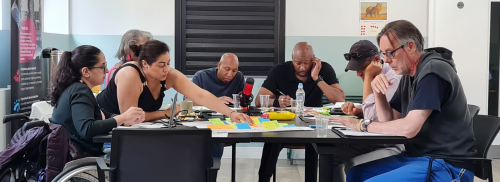
  • Lived experience research: Focus groups explored the depth and variation of participant experiences, highlighting how the service is encountered and navigated in practice.
  • Sense-making and co-analysis: Service users and stakeholders were brought together to interpret emerging findings, enabling the identification of underlying drivers, tensions and mechanisms shaping outcomes.

These components were integrated through a structured analytical framework, enabling findings to be triangulated across sources and translated into clear system-level insight.

The evaluation examined the full service journey using the Sedulous 4A Framework (Access, Approach, Alignment and Achievement), ensuring a comprehensive understanding of how participants:

  • Enter the service (Access)
  • Experience delivery (Approach)
  • Engage with support (Alignment)
  • Progress towards outcomes (Achievement)

Crucially, the approach focused on connecting experience to outcomes, identifying how differences in delivery shape engagement, alignment and progression over time. This enabled Sedulous to move beyond descriptive findings and provide a clear explanation of how the service works as a system, where variation is introduced and what drives both positive and inconsistent outcomes.

Community Involvement

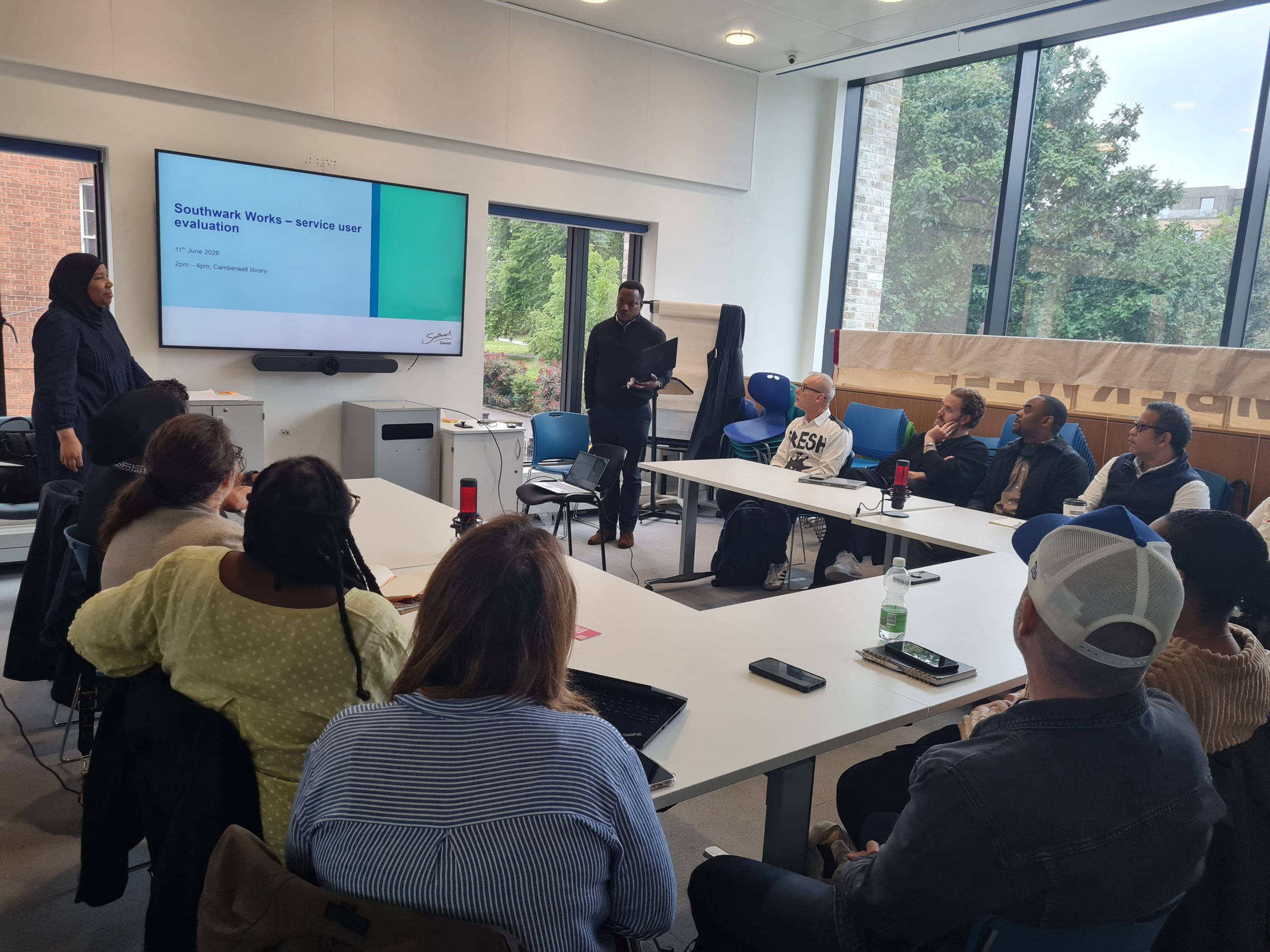
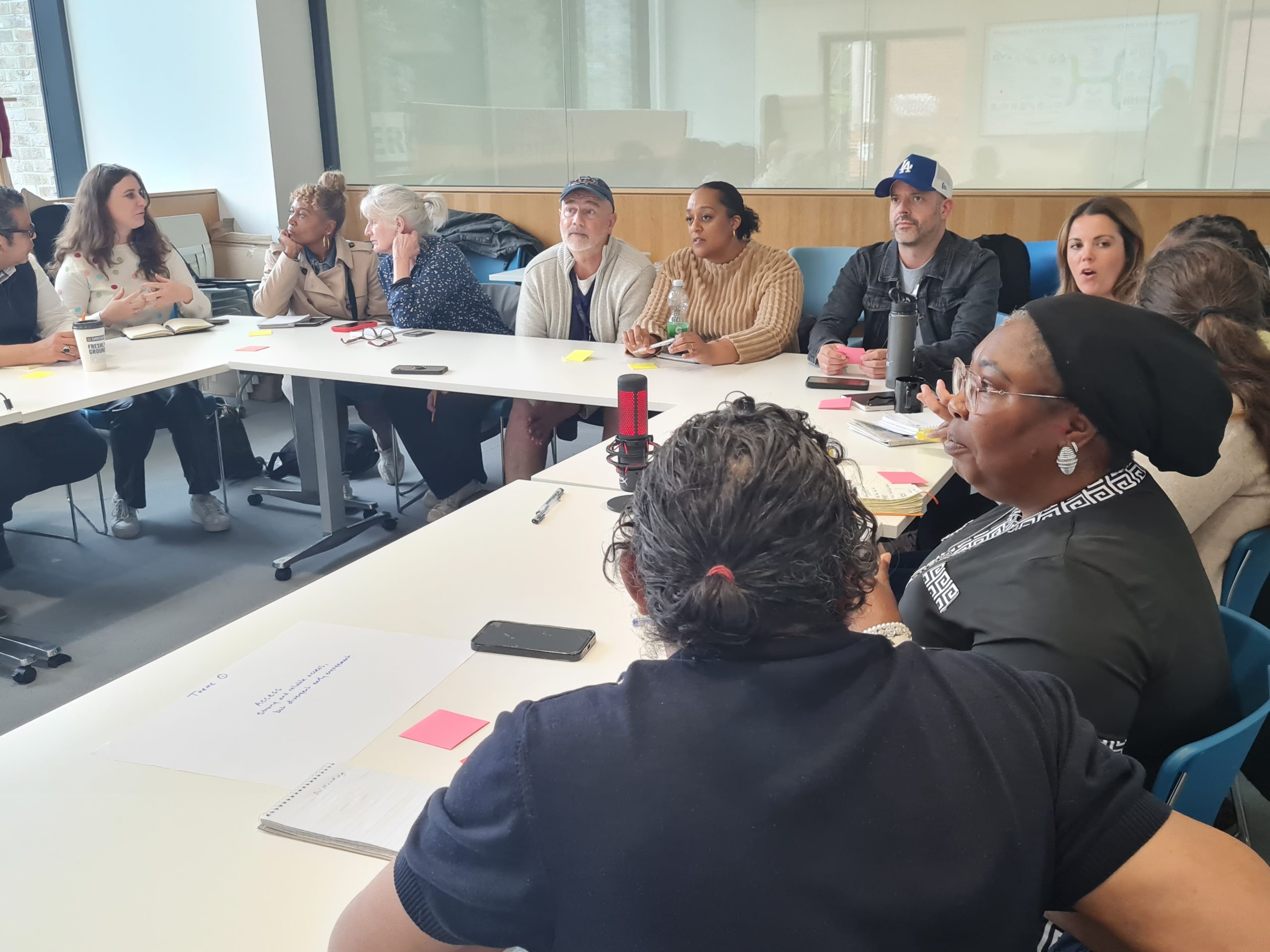
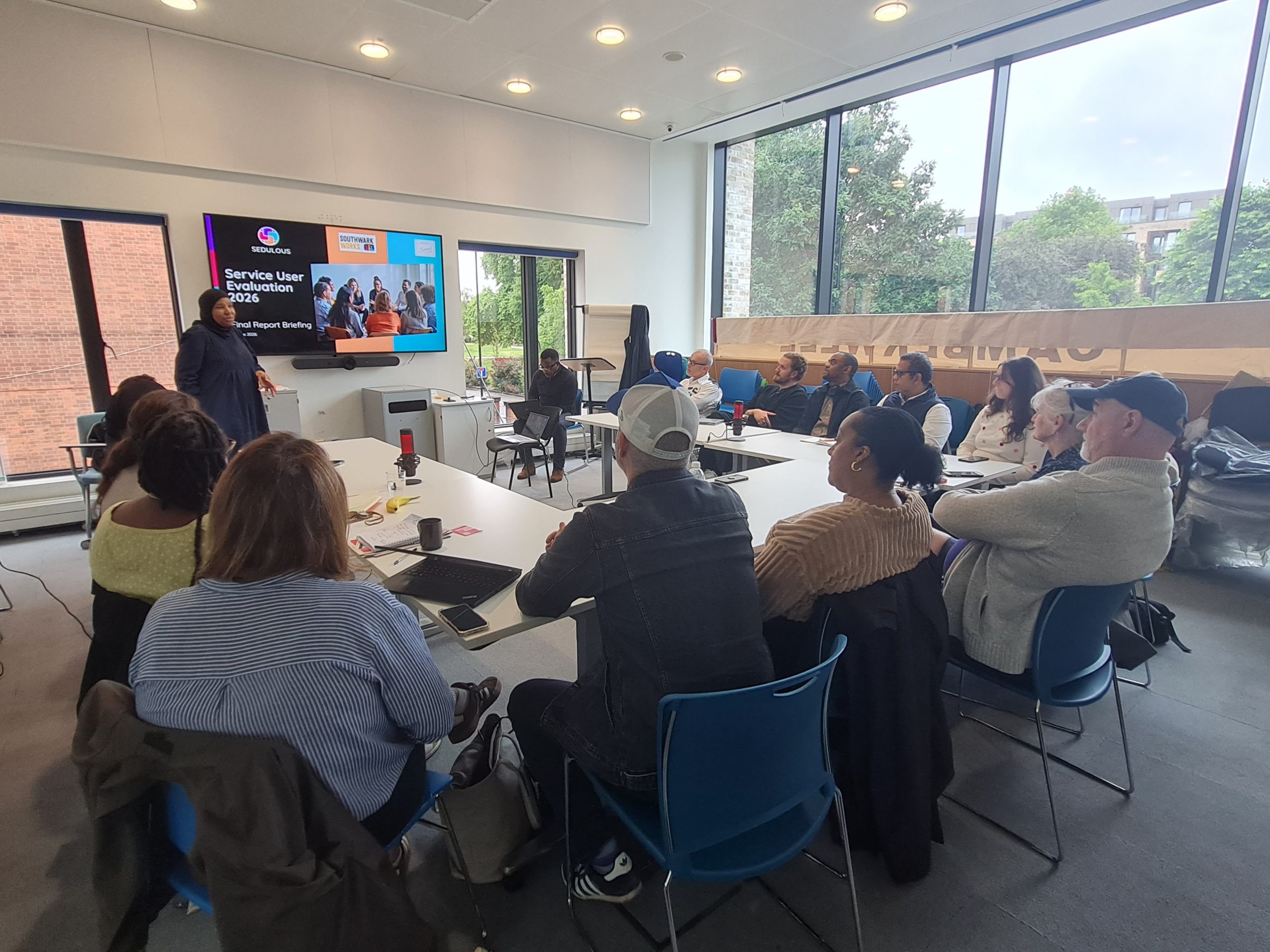
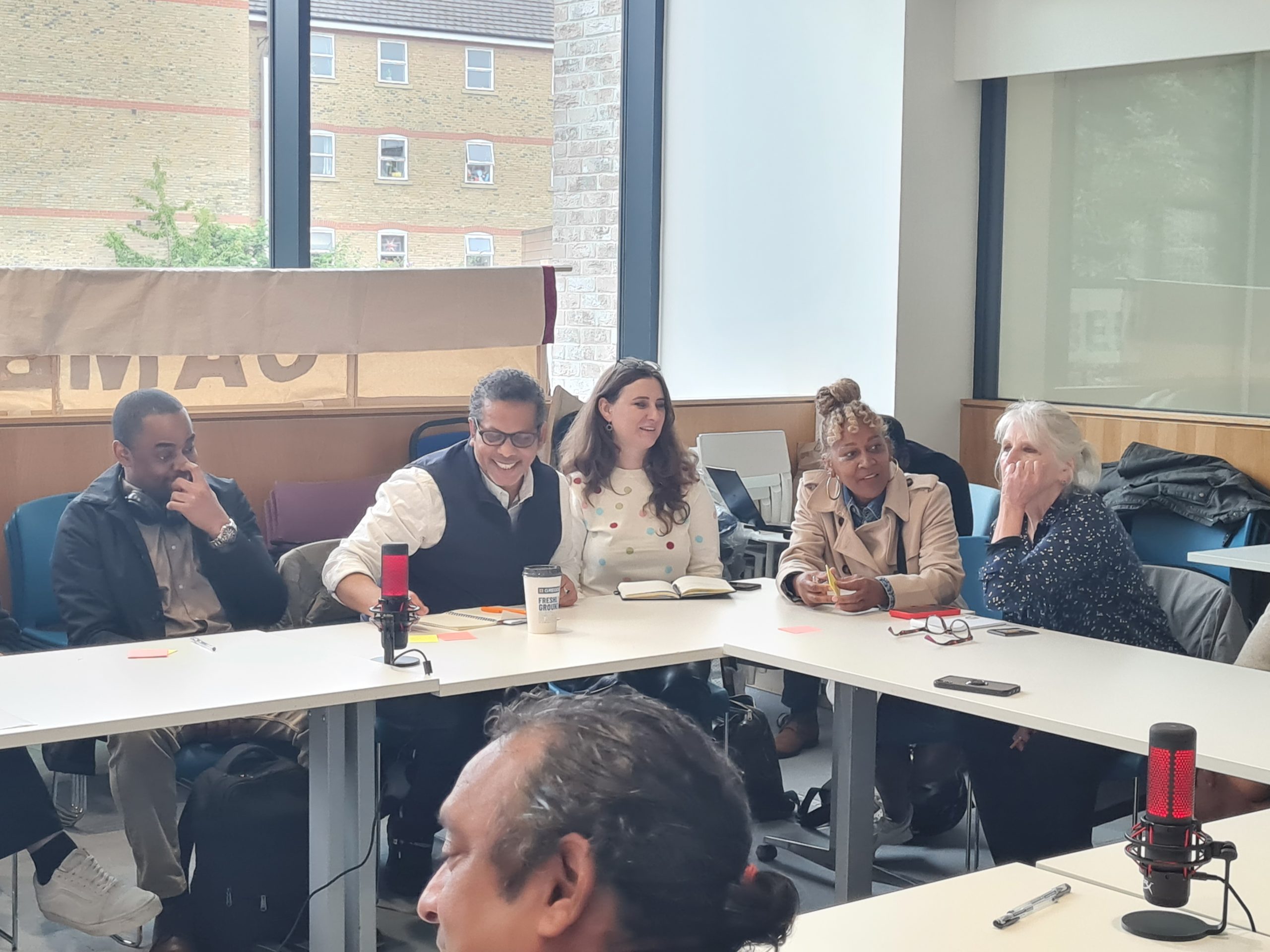
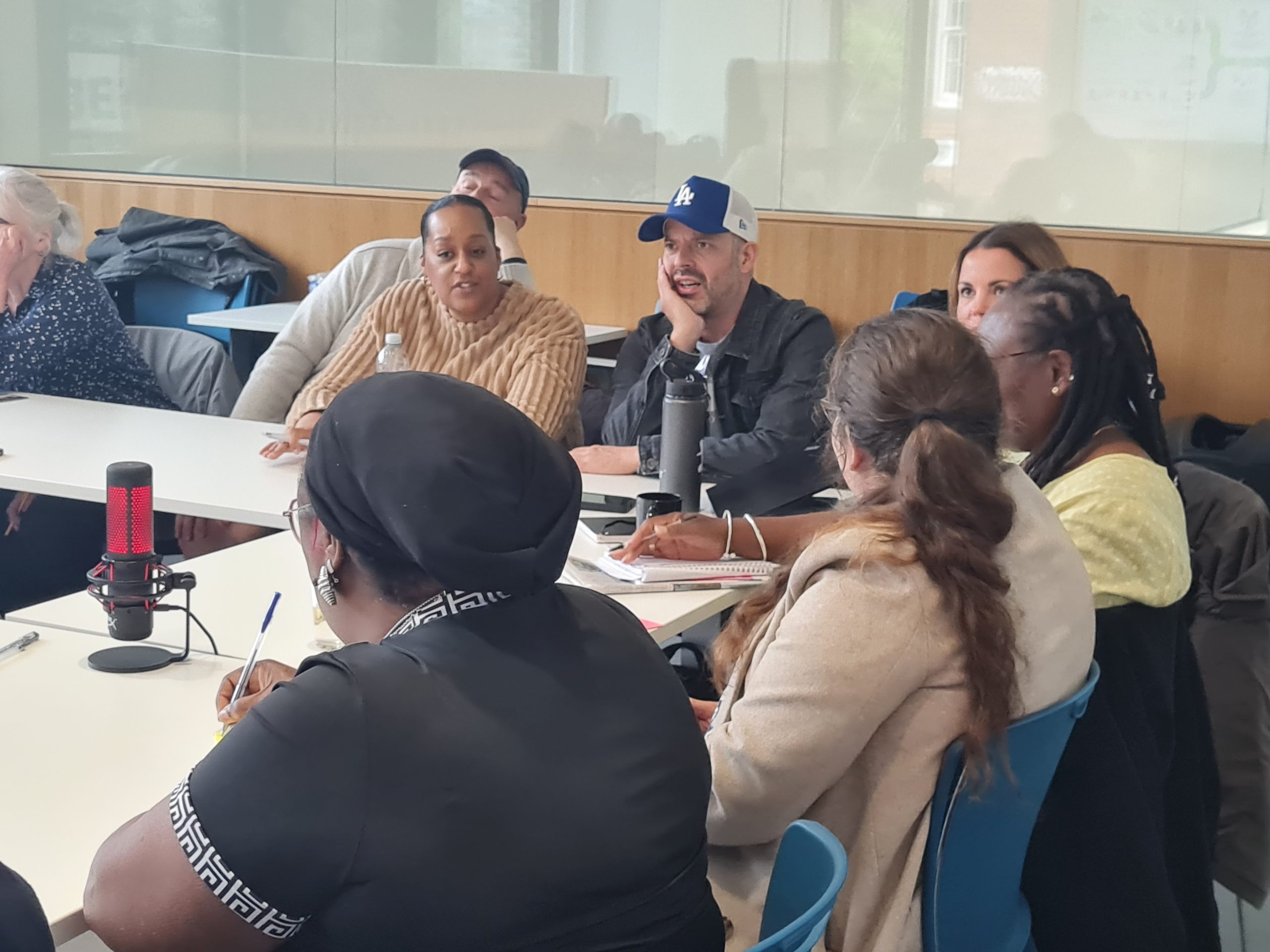
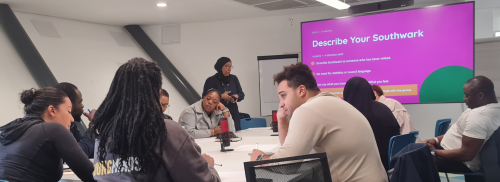
Lived experience was embedded throughout the evaluation, ensuring that service users were not only participants in the research, but active contributors to understanding how the service operates in practice. Service users were engaged at multiple stages of the project, enabling both depth of insight and collective interpretation of findings. This approach ensured that the evaluation captured not just what participants experienced, but how those experiences shaped engagement and outcomes.

This included:

  • In-depth focus groups: Creating space for participants to share detailed accounts of how they accessed, experienced and navigated the service across different stages of their journey;
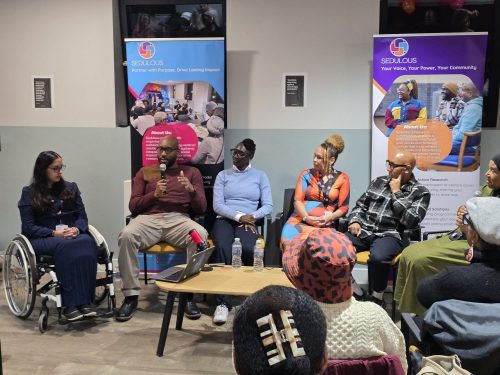
  • Sense-making and co-analysis: Bringing together service users and stakeholders to reflect on emerging findings, enabling participants to validate, challenge and interpret the data;
  • Capturing variation in lived experience: Exploring how experiences differ across participants, including differences in engagement, support and perceived outcomes;
  • Linking experience to system insight: Using lived experience not only to describe the service, but to explain how delivery shapes engagement, alignment and progression.

This approach ensured that the community was not merely consulted, but truly involved shaping the content, context and impact of the work in ways that will resonate far beyond this single project.

Partners & Funders

Southwark Council Logo
Southwark Works Logo

This project was commissioned by Southwark Council on behalf of Southwark Works, the borough’s employment support service delivered through a network of providers.

Sedulous worked in close partnership with the Southwark Works team throughout the evaluation, ensuring that the approach was grounded in both lived experience and the operational realities of the service. The project was led by Liz Gardiner, with support from Jayne Couchman and Ade Adebowale, whose ongoing collaboration enabled meaningful engagement across staff, providers and service users.

This partnership approach was central to the success of the project. It created the conditions for open dialogue, shared reflection and collective sense-making, allowing insights to be developed not only about the service, but with those delivering and shaping it. This ensured that the evaluation was both analytically robust and practically relevant to future service development.

What’s Next

Sedulous’ role in this evaluation has now come to an end, marking the completion of a comprehensive, lived-experience-led insight process.

The findings from this work will play a key role in shaping the next phase of Southwark Works, informing the borough’s upcoming recommissioning of employment support services. By providing a deeper understanding of how the service operates in practice, the evaluation offers a robust evidence base to support more consistent, responsive and effective delivery moving forward.

The insights will also contribute to the development and implementation of the newly introduced Connect to Work programme, ensuring that future provision is informed not only by performance data, but by a clear understanding of how services are experienced and how outcomes are produced in real-world contexts.

While our formal involvement has concluded, the intention is that this work continues to have a lasting impact, supporting ongoing reflection, learning and improvement across Southwark’s employment support system.

Get in Touch!

If you are looking to better understand how your services are experienced in practice, and how this shapes engagement and outcomes, we would love to hear from you.

At Sedulous, we specialise in lived-experience-led evaluation and system-level insight, helping organisations move beyond performance metrics to understand how services actually work for the people they are designed to support.

Whether you are:

  • Reviewing an existing service
  • Preparing for recommissioning
  • Designing a new model of delivery
  • Or looking to strengthen equity and consistency across your offer

We can support you to generate meaningful insight that informs real-world decision-making.

Get in touch to explore how we can work together.

Related Projects